

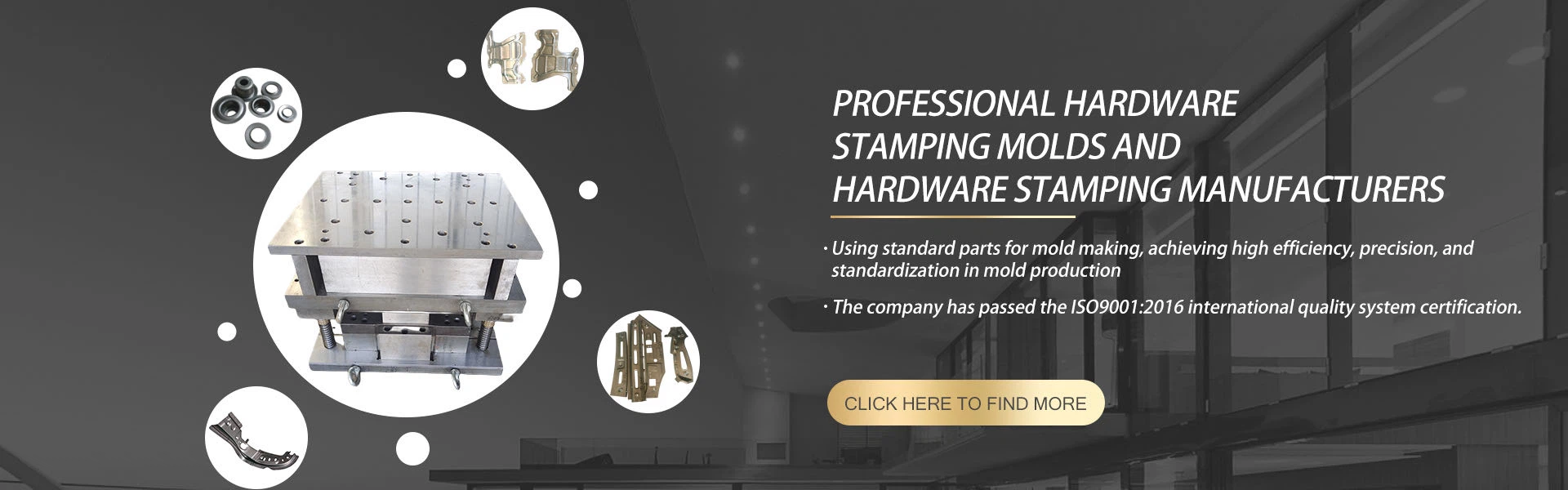
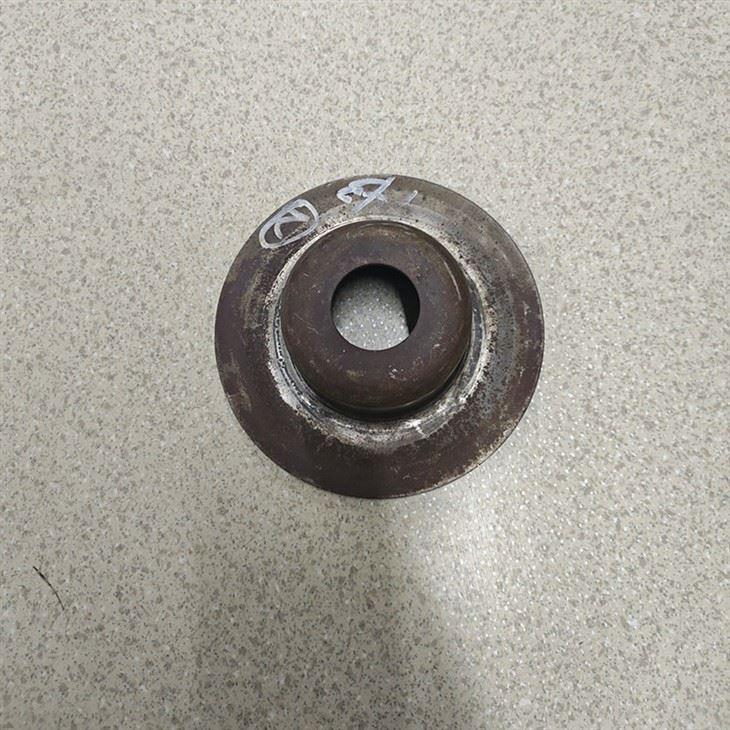


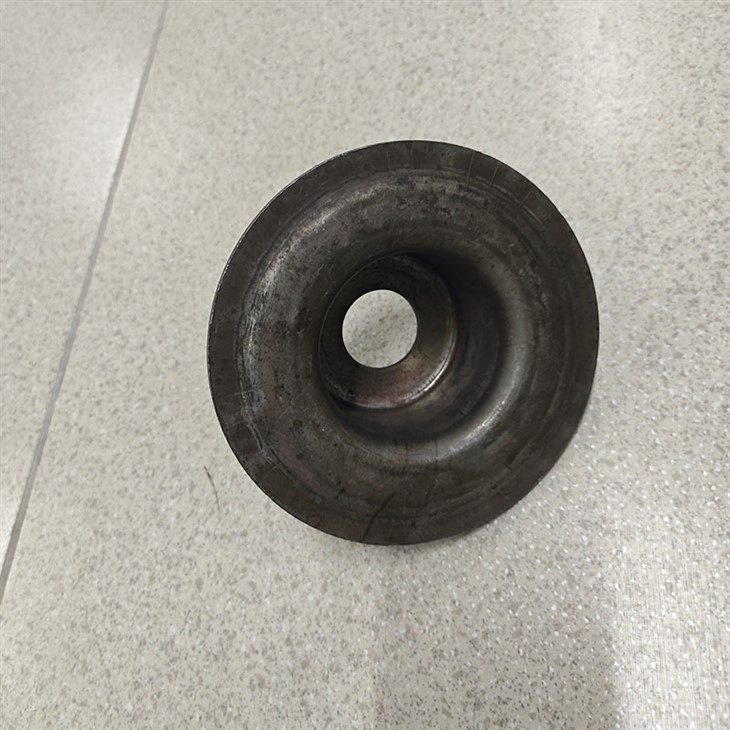
Behind Every Reliable Bearing Seat: The Stamping Die That Makes It Possible
If you have ever held a bearing seat in your hands and examined its clean edges, uniform dimensions, and consistent surface finish, you have witnessed the quiet precision of cold stamping tooling at work. This isn't a part that gets much attention. It sits in the background, holding shafts steady, absorbing load, keeping everything aligned. But when it fails, everyone notices. And when it's made right, nobody thinks about it at all.
That balance between invisibility and reliability rests heavily on one piece of manufacturing equipment: the bearing seat stamping die.
Why does this particular tool matter so much? Because bearing seats don't get to be mediocre. They are used in automotive drivetrains, conveyor systems that run around the clock, agricultural machinery caked in mud, and aerospace applications where the margin for error barely exists. A poorly formed bearing housing creates misalignment. Misalignment accelerates wear. Accelerated wear leads to costly downtime or, worse, catastrophic failure.
So when procurement teams and plant engineers source these components, what they're really looking for isn't just a piece of shaped metal. They want confidence. That confidence begins and ends with the precision stamping tool that shapes raw sheet stock into a functional bearing seat.
Where Do Stamped Bearing Housings Actually Go?
Before diving into the tooling itself, it helps to understand the environments these components operate in. It explains why certain manufacturing approaches make more sense than others.
Automotive manufacturing consumes enormous quantities of bearing seats. Every vehicle contains multiple bearing housings across its powertrain, suspension, and steering assemblies. In high-volume production lines, consistency isn't just preferred-it's non-negotiable. A single dimension drifting out of spec can halt an entire assembly line. That's where bearing seat stamping die tooling excels. Once the die is dialed in and validated, it delivers thousands of identical parts with minimal dimensional drift.
Industrial material handling tells a different story. Conveyor systems in mining operations, food processing plants, and logistics hubs use stamped bearing seats in their rollers. Here the priority shifts slightly. Wear resistance and sealing matter just as much as dimensional accuracy. A stamped bearing seat that incorporates labyrinth seal features directly during forming offers better contamination protection than a bolted-on seal that can work loose over time.
Agricultural equipment adds another layer of complexity. Combine harvesters, balers, and tillage tools operate in abrasive environments filled with dust, moisture, and crop residue. Bearing housings in these applications need to shrug off corrosion while maintaining alignment under fluctuating loads. Again, the die that produces these parts must account for the material behavior during forming so the final component holds up in the field.
What Actually Happens Inside a Stamping Die?
For those unfamiliar with press tooling, it's worth walking through the process because it explains why bearing seat stamping die design influences everything downstream.
At its simplest, cold stamping takes flat sheet metal and transforms it into a three-dimensional shape through pressure. No heat is applied. The material flows because the forces involved are enormous. A bearing housing typically starts as a steel blank-maybe cold-rolled sheet, maybe stainless, depending on what the application demands. That blank gets positioned between two tool halves: the upper die and the lower die.
When the press cycles, the punch descends and drives the material into a precisely shaped cavity. This is where things get interesting. The metal doesn't just get squeezed. It undergoes controlled plastic deformation. The clearance between punch and die-often set at roughly 10% of material thickness-determines how cleanly the edges cut and how smooth the formed surfaces turn out.
A properly engineered bearing seat forming die also includes stripping components that eject the finished part and prevent the material from sticking to the punch during retraction. Guide pins and bushings maintain alignment between the two die halves throughout every stroke. Push rods and knockout systems ensure parts release cleanly. Each of these subsystems has to work in concert, stroke after stroke, sometimes millions of times over the die's operational life.
One detail that often gets overlooked: die clearance affects more than just part quality. It directly impacts tool wear. Clearance set too tight produces clean cuts but accelerates punch and die wear. Too loose, and burrs form along sheared edges. Getting it right requires understanding the specific material being stamped-its thickness, hardness, and grain structure all factor into the calculation.
Not All Stamping Dies Are Built the Same Way
This is where a lot of product pages stop talking and just show specifications. But if you're evaluating manufacturing partners, knowing the difference between die architectures matters.
Single-Station Tooling
The most straightforward approach uses a single die set to perform one operation per press cycle. For bearing seats with simple geometries, this works fine. The tooling costs less upfront, and it's easier to modify if designs change. But production speed suffers. Each part requires multiple handling steps across separate press operations. Labor costs add up. For low to medium production volumes, single-station bearing seat stamping die setups still make economic sense.
Progressive Die Systems
When volumes climb into the hundreds of thousands, progressive tooling becomes the obvious choice. A continuous strip of metal feeds through multiple stations within a single die set. Station one might blank the outline. Station two draws the cup shape. Station three pierces mounting holes. Station four trims excess material. By the final station, a completed bearing housing drops free with every press stroke.
The economics flip with progressive dies. Tooling costs more to design and build. The engineering demands are higher because each station's timing and positioning must be perfect relative to every other station. But once it's running, the cost per part plummets. Material utilization improves. Labor requirements drop. Quality becomes more consistent because human handling between operations gets eliminated.
Transfer Die Configurations
Some bearing seat designs are too large or too complex for progressive tooling. That's where transfer dies enter the conversation. Instead of keeping parts attached to a carrier strip, transfer tooling uses mechanical fingers or rails to move individual blanks from station to station. This approach offers greater flexibility for parts requiring deep draws or multiple forming operations that would be impractical in a progressive setup.
Each bearing seat stamping die project should start with a candid conversation about production volumes and part complexity. The wrong die architecture either leaves money on the table through excessive per-part costs or wastes capital on overbuilt tooling that never reaches its break-even point.
What Separates a Good Die from One That Fails Early?
Tool steel selection sits at the center of this discussion. The materials used in the die itself determine how many strokes it delivers before requiring maintenance or replacement.
SKD11 and its equivalents are common choices for high-wear applications. This chromium-rich tool steel offers excellent abrasion resistance. Blanking and piercing operations benefit from its hardness after heat treatment. But it's not the right choice for everything. SKD11 can be brittle under impact loading, which matters when forming thicker materials or when the die experiences sudden shock loads.
DC53 has gained ground in stamping applications because it balances wear resistance with toughness. For bearing seat geometries that involve bending or drawing, DC53's improved crack resistance provides a margin of safety that SKD11 sometimes lacks. It also holds up better during high-temperature tempering cycles, which matters when dies undergo multiple resharpenings over their lifespan.
Cr12MoV remains a versatile workhorse material for general-purpose stamping tooling. It resists pressure well and handles a broad range of sheet materials without premature failure. The cost sits between SKD11 and more exotic powder metallurgy grades, making it a pragmatic choice for many bearing housing die applications.
Surface treatments add another layer of performance. Nitriding hardens the surface while leaving the core tough. PVD coatings like TiN or TiCN reduce friction and help prevent galling when stamping materials prone to adhesion, such as stainless steel. These treatments extend die life significantly but add cost and lead time to tooling projects.
The takeaway: material selection should never be an afterthought. The best bearing seat stamping die for a given application matches tool steel properties to the specific demands of the part material, geometry, and production volume.
Getting the Details Right
Beyond the big decisions about die architecture and tool steel, a host of smaller factors determine whether a stamped bearing housing meets specifications.
Clearance tolerances matter enormously. Modern stamping tooling routinely holds tolerances within ±0.003mm for critical features. Achieving this requires not just precise machining of the die components but also careful consideration of how the part springs back after forming. Sheet metal doesn't always hold the exact shape it takes in the die. It relaxes slightly after ejection. Die designers compensate for this by incorporating slightly tighter geometry than the final part requires.
Surface finish on the formed part reflects the condition of the die surfaces. Any imperfection in the die cavity transfers directly to the stamped component. Pits, scratches, or uneven wear in the tooling show up as cosmetic defects that can affect sealing surfaces or bearing fitment. Regular die maintenance and proper lubrication during production prevent these issues from developing.
Guide pin and bushing alignment keeps the upper and lower die halves moving in perfect synchronization. Misalignment accelerates wear on cutting edges and can produce parts with uneven wall thickness or distorted geometries. Quality bearing seat forming die tooling incorporates hardened guide components with tight running clearances.
What to Ask When Sourcing Stamped Bearing Housings
If you are reading this as someone responsible for procuring bearing seats rather than manufacturing them, the technical details above translate into practical questions for your supply base.
First, ask about the tooling approach being used. Progressive tooling indicates a supplier set up for higher volumes and consistent quality. Single-station tooling suggests lower upfront costs but potentially more variability in longer production runs. Neither is inherently wrong-the answer should align with your volume requirements.
Second, inquire about tool steel selection and maintenance schedules. A supplier who can articulate why they chose SKD11 over DC53 for your specific part material demonstrates technical depth. One who cannot answer the question may be relying on whatever tool steel happened to be in stock.
Third, understand their quality control process around die wear. Stamping dies degrade gradually. Part dimensions drift over time as cutting edges dull and forming surfaces wear. A responsible manufacturer monitors this drift and schedules die maintenance before parts fall out of tolerance. Ask how they track this and how often they inspect in-process parts.
Finally, confirm that their engineering team can support design for manufacturability reviews. The most efficient bearing seat stamping die projects involve collaboration between part designers and tooling engineers before the die ever hits the shop floor. Small geometry adjustments can dramatically improve formability, reduce scrap, and extend tool life.
Bringing It All Together
The bearing seat sitting in your assembly-whether it's in a truck, a conveyor, a harvester, or an aircraft-carries the imprint of the tooling that shaped it. Every dimension, every surface, every feature traces back to decisions made during die design and manufacturing.
A well-engineered bearing housing die delivers parts that fit the first time, every time. It runs reliably through production schedules without unplanned downtime for repairs. It produces components that withstand the operating environments they're designed for. And it does all of this while keeping per-part costs competitive with alternative manufacturing methods.
That combination of precision, reliability, and economics explains why cold stamping remains the dominant method for producing bearing seats across industries. As press technology advances and tooling materials improve, the capabilities of stamped bearing housings continue to expand. Tighter tolerances, more complex geometries, and longer service life are all on the table when the right tooling meets the right engineering.
If you are evaluating manufacturing partners for bearing seat components, the conversation should start with the tooling. Not with price. Not with lead time. With the die that will produce your parts, stroke after stroke, for years to come.
[Call to Action]
Looking for a reliable source for stamped bearing seats or interested in custom bearing seat stamping die solutions? Contact our engineering team with your drawings and volume requirements. We'll review your application and provide a detailed feasibility analysis at no cost.
About the Author / Manufacturer Note
specializes in precision stamping tooling for bearing housings, automotive components, and industrial hardware. With ISO 9001 certified manufacturing facilities and a team of experienced tooling engineers, we deliver stamping dies and finished components to customers across North America, Europe, and Southeast Asia.
FAQ Schema Snippet
Q: What materials can be stamped into bearing seats?
A: Common materials include cold-rolled steel, stainless steel, aluminum alloys, and brass, depending on application requirements.
Q: What is the typical lead time for a custom bearing seat stamping die?
A: Lead times vary from 4 to 12 weeks depending on complexity and current production scheduling.
Q: What tolerances can be achieved with stamped bearing housings?
A: Precision stamping tooling routinely holds tolerances within ±0.003mm for critical features.
Q: How long does a bearing seat stamping die last?
A: Tool life ranges from hundreds of thousands to over two million strokes, depending on material selection and maintenance.
Hot Tags: what goes into manufacturing a bearing seat that actually lasts? understanding the role of stamping tooling, China what goes into manufacturing a bearing seat that actually lasts? understanding the role of stamping tooling manufacturers, suppliers, factory, Bearing housing stamping mold, Bearing press dies, Bearing Seat Sealing Cap Mould, Roller bearing seat deep drawing die, Sealing Cap Mould, Stamping Precision Mold


