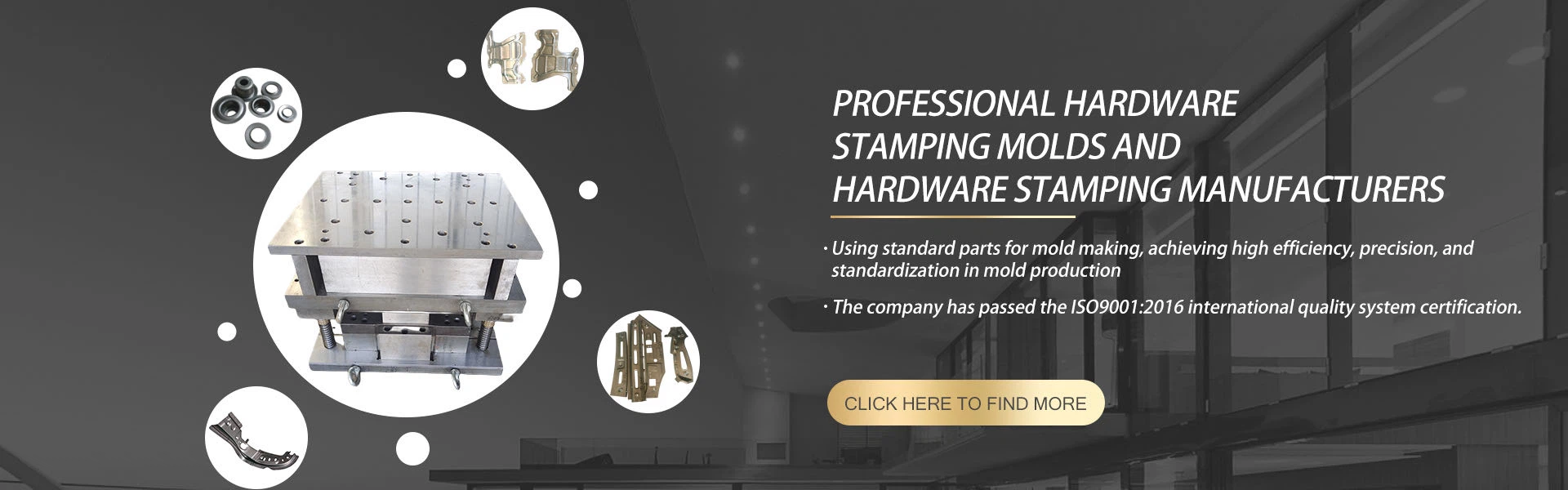
Metal Stamping Parts China
Company advantages
Professional team
Under the scientific and technological guidance of the company's professional team, continuous research and development and continuous improvement have produced a number of series of products that are deeply loved by Chinese and foreign customers, enhancing brand value and industry influence.
Production market
Our customers are from the United Kingdom, the United States, the Netherlands, Germany, Canada, Russia, Australia, New Zealand, Unraine, India, Brazil, Japan, South Korea, Turkey, Egypt, South Africa, etc.
Rich experience
Over the years, we have been deeply involved in this field and accumulated rich experience and professional knowledge through continuous exploration and innovation.
Advanced equipment
The company has introduced advanced technology and equipment and has strong scientific research strength.
What is Metal Stamping Parts China
Metal Stamping Parts China also known as sheet metal stamping, involves the use of a stamping press and dies (tooling) to transform sheet metal into your chosen shape or design. The die surface and the tool use diverse techniques to work the metal until the desired shape or form is achieved.Die refers to the tooling used in developing the final form of a workpiece. This metal forming manufacturing process is capable of supporting medium to high volume metal parts production projects or requirements at affordable prices.
Benefits of Metal Stamping Parts China
Cost-effectiveness
Metal Stamping Parts China is a cost-effective manufacturing process. It allows for high-volume production, resulting in economies of scale and lower per-unit costs. The use of automated stamping machines also reduces labor costs and increases production efficiency.
Precision and Consistency
Metal Stamping Parts China ensures precise and consistent part production. The use of custom-made dies and advanced stamping technologies allows for tight tolerances and minimal variation between parts. This precision is crucial for industries that require accurate and reliable components.
Speed and Efficiency
Metal Stamping Parts China is a high-speed production process. With the ability to produce multiple parts in a single stroke, it significantly reduces production time compared to other manufacturing methods. This efficiency makes metal stamping ideal for meeting tight production deadlines.
Versatility in Material Selection
Metal Stamping Parts China can work with a wide range of metals, including steel, aluminum, copper, and brass. Manufacturers can choose the appropriate material based on their specific requirements, such as strength, durability, or conductivity. This versatility allows for greater flexibility in designing and engineering metal components.
Application of Metal Stamping Parts China
Medical
Similar to the industries mentioned above, precision and durability are critical needs for the medical industry-an industry that has a direct effect on people's health. When the stakes are that high, it's important that Metal Stamping Parts China make your machine work on time and without interruption. Product specifications are also easier met with greater process control and engineering.
Industrial Original Equipment Manufacturing (OEM)
Industrial OEM presents its own unique challenges as it relates to product engineering and supply chain viability. Whether it is your own brand of products or you produce parts marketed by another manufacturer, your reputation depends on quality and on-time delivery. Metal stamping meets the demanding nature of OEM by streamlining the design-to-fabrication process under one roof.
Aerospace
The aerospace industry requires rigorous quality controls and ongoing documentation to conform with governing body standards. The engineering process in metal stamping is tightly choreographed with precise results from design through fabrication. Metal stamping allows for all safeguards to be measured, visible, and controlled with adjustments made in real time without sacrificing the cost benefit. The direct result is a carefully engineered process that will support the strictest quality control.
Oil & Gas
Mechanical failure in the oil and gas industry is not an option. This industry is dependent on the strictest quality controls for safety, efficiency and peak production. Environmental conditions of the oil and gas industry such as temperature, exposure to light, corrosion, and volatile materials make metal stamping a clear choice for its durability and longevity. With increased precision, specifically with advances in wire EDM machining, product failure is lower than other methods in metal stamping. Precision metal stamping allows for tighter seals that also function in the harshest conditions.
Types of Metal Stamping Parts China
Progressive die stamping
With progressive stamping (also referred to as prog die stamping), we move strip metal through a progressive stamping press, where it passes from one station to the next. Each station performs a specific function, including forming, punching, bending, and cutting the metal.In most cases, progressive stamping requires the use of multiple stations or stages, especially when a project involves complex parts. Progressive stamping offers the advantages of a quick turnaround and the creation of repeated, uniform pieces. It also has the lowest labor cost for each stamping type.
Deep draw stamping
Deep drawing is a technique that uses a punch to feed a blank into a die. It works best for projects in which a customer needs extreme depths on the part shape. Generally, parts with sweeping and deep shapes are used in the Automotive and Aerospace Industries. Deep drawing uses less raw material than other stamping processes. It also works well for producing less-complicated pieces at high volume.
Fourslide stamping
Fourslide stamping is a metalworking process that simplifies the creation of complex parts. It uses four tools that each bend the metal into the required shape simultaneously. While fourslide stamping doesn't create pieces with as much uniformity as progressive stamping, it makes changing or adjusting the design easier when a project requires many parts with different bends.
Technical analysis of Metal Stamping Parts China

Blanking
The blanking process involves the removal of a workpiece from primary material to create the desired form. Unlike punching, the removed workpiece becomes the desired shape or blank.

Flanging
The flanging process involves the use of a die and a flange or flares produced by a flanging tooling section on a workpiece. The flange portion of the tooling and die form the desired shape in the workpiece.

Drawing/Forming
The drawing and forming stamping process involves the use of compressive force to form sheet metal into a cavity or produce a shaped form by wrapping the workpiece over the desired shape in the die.

Embossing
The embossing process involves the use of a die and a pressing or stamping machine to apply the shaped die onto the material. The embossed pattern or designed form is then imprinted on the workpiece.

Punching
This technique refers to the use of a die and a punch to cut sheet metal into the required form. During punching, the punch enters the material attached to the die and dispels pieces of metal to create the desired form in the remaining workpiece.

Coining
This technique involves the placement of the material between a die and a press or punch. The material is squeezed with extreme force during the press stroke to generate fine features and tolerances on the surfaces of parts.

Bending
Bending refers to processes that form sheet metal into desired bent shapes, which are generally the L, U, or V-shapes. The bending process is applied above the material's yield point and around a single axis to form the desired shape.

Curling
The curling process is used to eliminate sharp edges or form sharp edges into hollow rings according to a specific design. Once performed, curling also increases the moment of inertia at the curled end of the workpiece.
Factors to Consider When Choosing Materials for Metal Stamping Parts China
Durability
Durability refers to the material's ability to withstand wear and tear, fatigue, and other forms of stress. The level of durability required will depend on the intended application of the final product. For example, a product exposed to heavy use or harsh environments will require a more durable material.
Formability
Formability refers to the material's ability to be formed into different shapes without cracking or breaking. The level of formability required will depend on the complexity of the part to be stamped and the type of stamping process to be used.
Thickness
The thickness of the material will affect its strength, formability, and cost. Thicker materials are stronger but less formable, while thinner materials are more formable but less durable.
Hardness
Hardness refers to the material's resistance to deformation, scratching, or abrasion. The hardness required will depend on the intended application of the final product. For example, a product subject to high levels of wear and tear will require a harder material.
Corrosion Resistance
Corrosion resistance refers to the material's ability to resist degradation due to exposure to moisture, chemicals, or other corrosive substances. The level of corrosion resistance required will depend on the final product's intended application and the environment it will be exposed to.
Things to Note When Designing Metal Stamping Parts
Bend radius
The material should normally bend in a single orientation, and the inside bend radius should be at least equal to the sheet thickness.
Grooves, holes, and slots
Maintaining groove, hole, and slot diameters equal to or larger than sheet thickness results in superior form with fewer burrs and bulges. Keeping the holes at least twice as far apart as the material's thickness can also reduce bulging and deformation.
Material needs and characteristics
Different metals and alloys have distinct properties, such as varying degrees of bending resistance, strength, formability, and weight. Designers must consider both the advantages and limits of their chosen metal.
Tolerances
Determine your project's acceptable tolerance levels. Tolerances achievable will vary depending on the metal type, design requirements, and machining tools employed.
Wall thickness
Typically, uniform wall thickness throughout a product is optimal. Suppose a part has walls of varying thicknesses. In that case, it will be exposed to variable bending effects, resulting in deformation or falling beyond the tolerances of your project.
Hardware Metal Stamping Parts China technology

Cutting
Metal stamping begins with cutting the metal sheets into the desired shape. This can be achieved through various methods such as blanking, shearing, or punching. The cutting process is facilitated by dies, which are specialized tools designed to shape the metal.

Forming
Once the metal sheet is cut, it is then shaped using a combination of techniques like bending, coining, embossing, and deep drawing. These techniques apply pressure to the metal, causing it to take the desired form while maintaining its structural integrity.

Finishing
After forming, the stamped metal parts undergo finishing processes such as deburring, polishing, and coating. These processes ensure that the parts meet the required specifications, have smooth edges, and possess the desired surface finish.
Scrutinizing Before Installation and Use
Imagine a meticulous detective examining a crime scene. This is the level of detail you need when inspecting metal stamping parts before they touch a machine. Dirt, even the tiniest speck, can wreak havoc on the delicate dance between punch and die. So, grab a magnifying glass and meticulously:Use lint-free cloths and appropriate cleaning solvents to remove dust, oil, and metal shavings from every nook and cranny of the parts.
Mold Orientation: A Match Made in Stamping Heaven
Think of the mold and mold installation fixture as two puzzle pieces. They need to fit together perfectly, or the stamping process becomes a chaotic jumble.Follow the mold's installation steps religiously: Every mold has its own quirks and preferences. Consult the manufacturer's instructions and meticulously follow each step.
Timely Grinding: Don't Let Wear Steal the Show
Picture a pair of blunt scissors struggling to cut through paper. That's what happens when the punch and die edges of your metal stamping parts start to wear.Regularly inspect the punch and die edges for signs of wear, like chipping, rounding, or burrs. Early detection is key!Once you notice wear, don't wait for it to worsen. Stop the stamping process immediately and have the edges professionally ground. Delaying this crucial step can lead to rapid wear escalation, compromised part quality, and ultimately, a shorter lifespan for your mold and parts.
Turntable Tango: Keeping the Rhythm of Precision
Imagine a ballerina gracefully twirling on stage. That's the kind of precision you need from the turntable holding your punch. Regularly check the turntable and mold mounting base: Look for any signs of misalignment, looseness, or wear. Even the smallest wobble can throw off the stamping process and affect part quality.Ensure the upper and lower turntables are perfectly concentric, like two perfectly overlapping circles. Any deviation can lead to uneven pressure distribution and premature mold wear.
Our Factory
Hengshui Dongmo Precision Metal Products Co., Ltd. ′s main business scope includes stamping die manufacturing, hardware products, aerospace product parts, automatic production lines, integrating scientific research and development, production and sales. The sales network covers all provinces, cities and regions of the country, and has been unanimously praised by customers. The company has introduced advanced technology and equipment, and has a strong scientific research force. Under the scientific and technological guidance of the company′s professional team, continuous research, development, and continuous improvement have produced a number of series of products that are popular with Chinese and foreign customers, which has enhanced the brand value and industry influence.
certificate


FAQ
As one of the most professional metal stamping parts china manufacturers and suppliers in China, we're featured by quality products and competitive price. Please rest assured to buy metal stamping parts china made in China here from our factory.
Car fire extinguisher mould, Household Electric Water Heater Mold, Cylinder Safety Cap Mold
