

1. Engineering & Technical Product Description
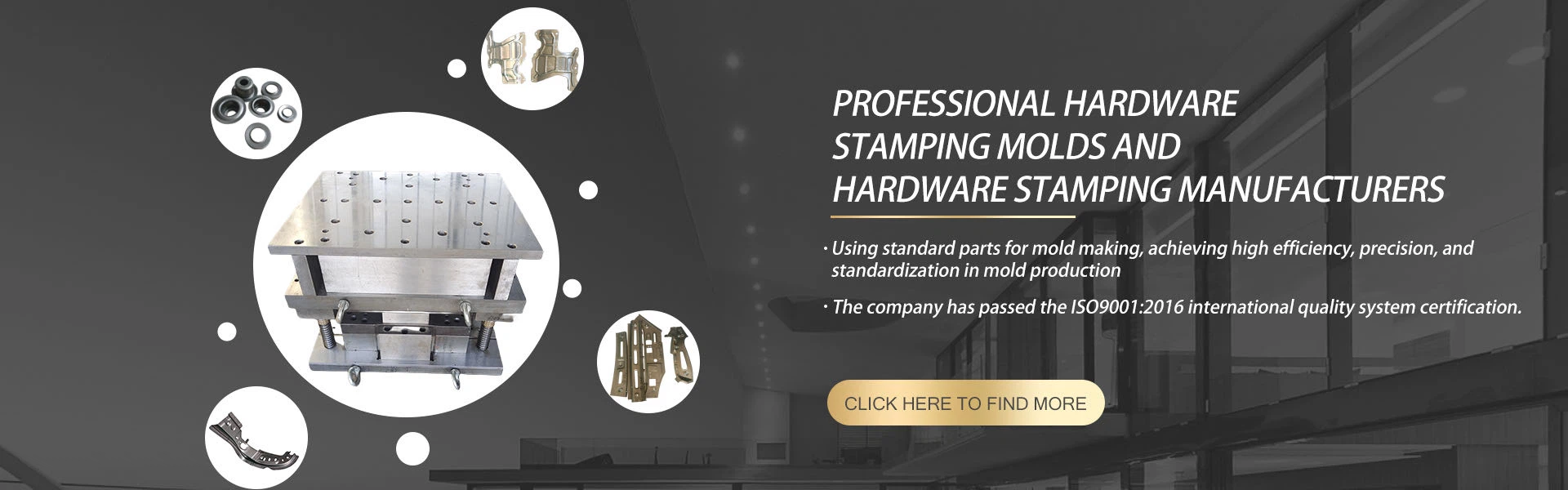
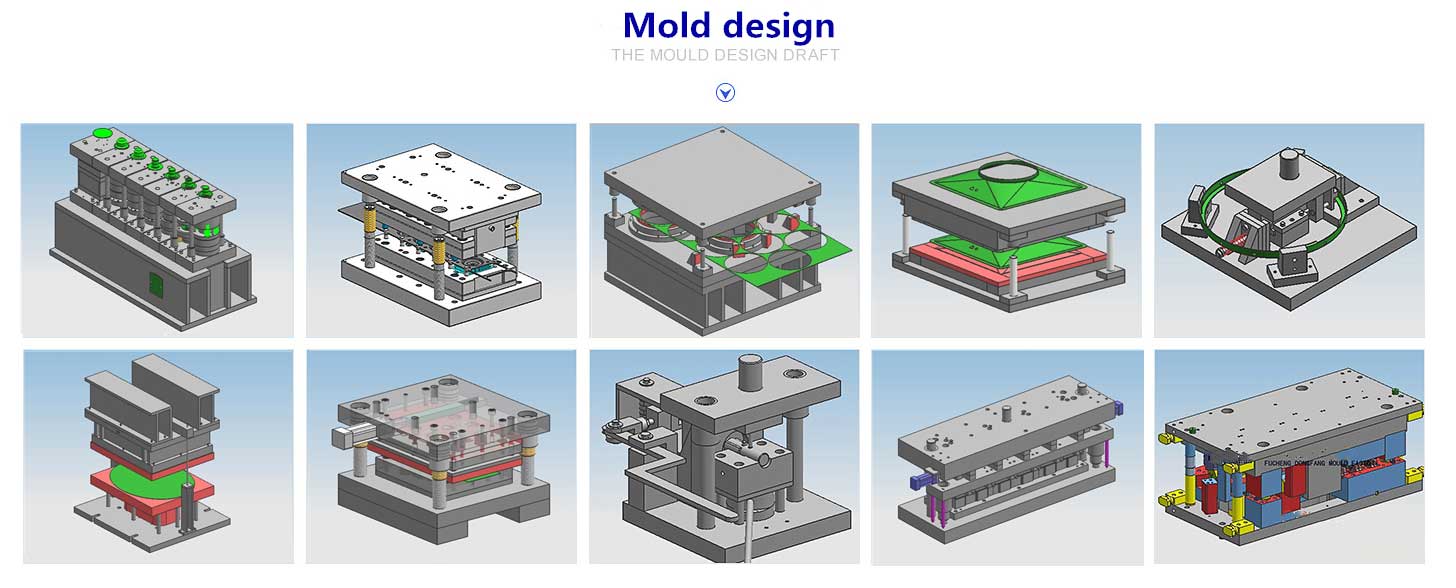
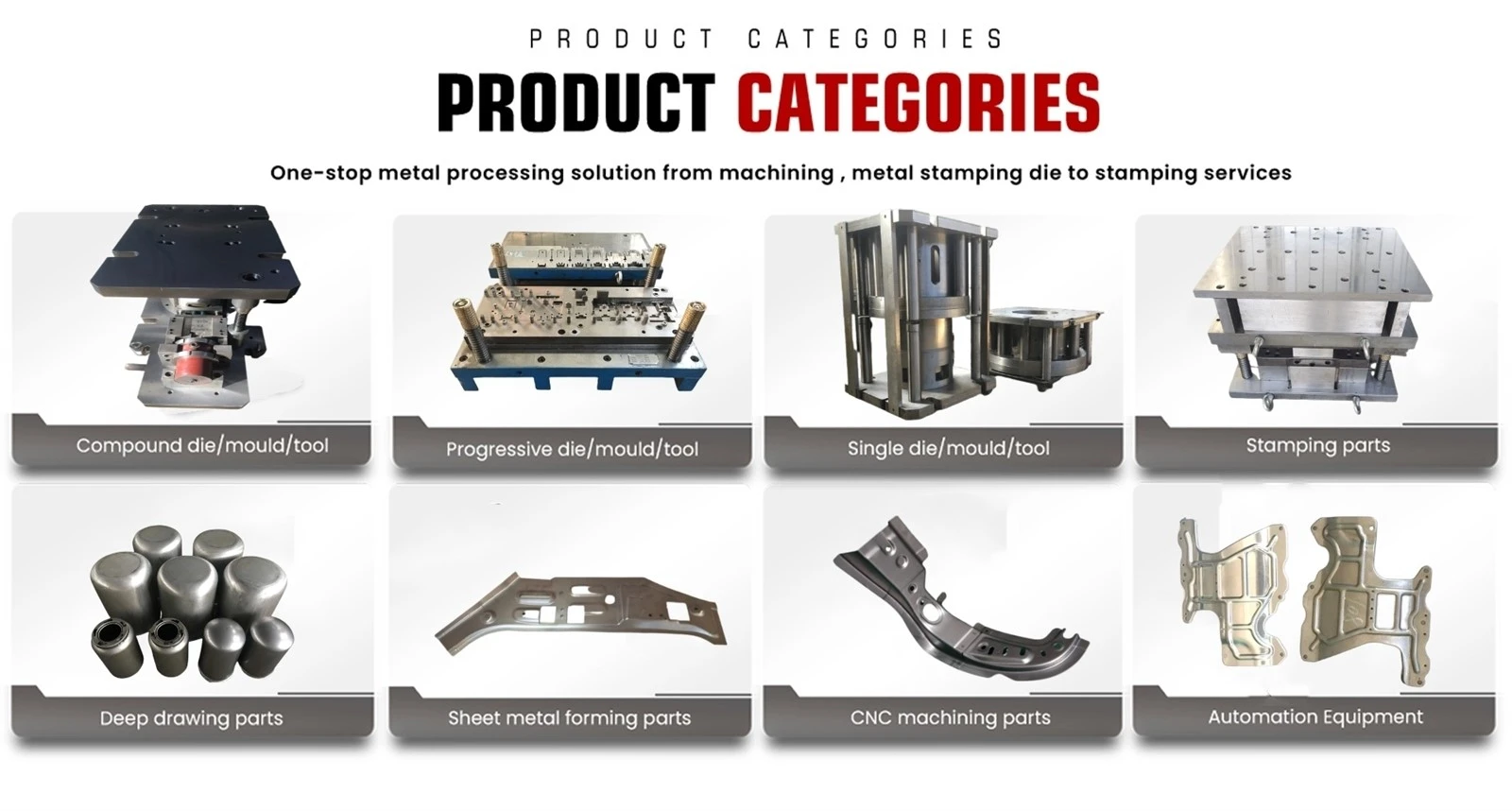
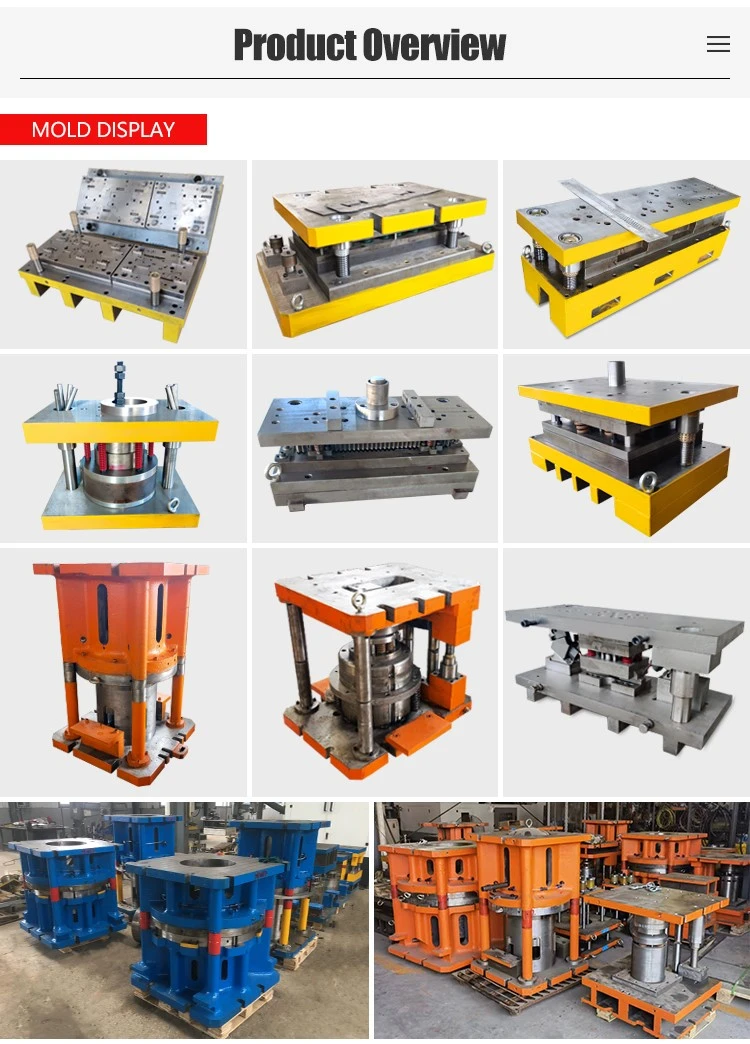
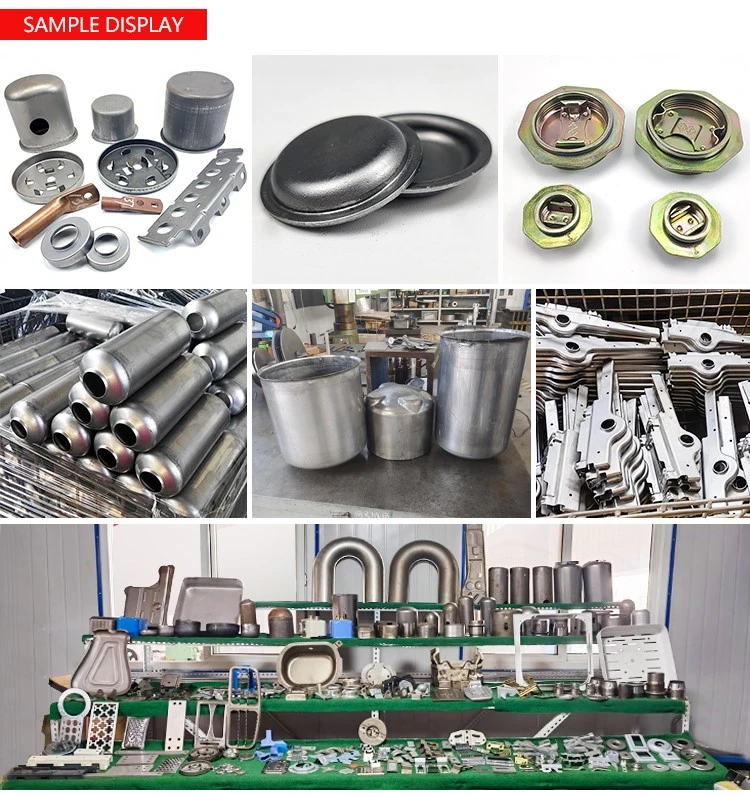
Engineered for zero-defect automated production, our progressive stamping tool series is specialized for electric vehicle (EV) battery enclosures, copper busbars, and complex structural connectors. Designed with high-rigidity tool steel bases and quick-change insert modules, this progressive tooling system ensures consistent dimensional repeatability across high-volume production cycles.
2. Operational Performance Matrix
| Performance Category | Lightweight Terminal Grade | Structural Heavy-Duty Grade |
| Compatible Material Types | Copper Alloy / Brass / Thin Aluminum (0.3 - 1.2mm) | High-Strength Automotive Steel / Stainless Steel (1.5 - 4.0mm) |
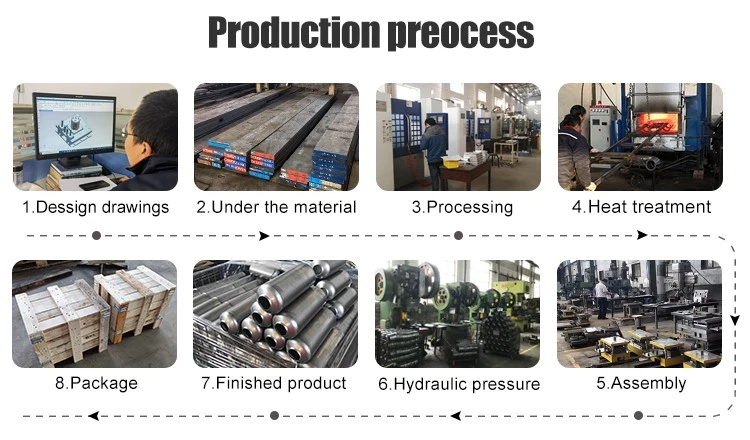
| Tooling Base Material | High-Tensile Nodular Cast Iron / S45C | Forged Tool Steel / Cr12MoV Die Plates |
| Punch & Cavity Steel | DC53 / Japanese SKD11 Cold Work Steel | Powder Metallurgy Steel (ASP-23 / Vanadis 4) |
| Dimensional Tolerance Control | ±0.008 mm Range | ±0.015 mm Range |
| Stroke Speed Capacity | Up to 450 Strokes/Min | 80 to 180 Strokes/Min |
| Maintenance Cycle Standard | Regrind every 2,000,000 Strokes | Regrind every 800,000 Strokes |
3. Key Process Features
Modular Quick-Change Station Inserts: Punch and die inserts are engineered as independent cartridge modules. Damaged or worn stations can be swapped directly on the press bed without dismantling the main die base, reducing downtime by over 70%.
Integrated Spring-Loaded Stripper Assembly: Employs heavy-duty nitrogen gas springs and precision guiding pins to maintain uniform holding pressure during blanking and forming, eliminating spring-back distortion in high-strength alloys.
Optical Sensor In-Die Monitoring: Built-in optical and proximity sensors monitor material feeding alignment, pitch accuracy, and slug jamming in real time, automatically stopping the press to prevent tool damage.
4. Frequently Asked Questions (FAQ)
Q1: How does this progressive stamping tool prevent material spring-back on automotive alloys?
A: We integrate multi-stage gradual forming stations combined with calibrated coining/restriking steps. The spring-loaded stripper plate applies uniform holding force to neutralize internal residual stress during the forming process.
Q2: Can we swap specific punch inserts without removing the entire die set from the press?
A: Yes. The mold utilizes a sub-plate cartridge design. Maintenance technicians can unscrew and slide out individual station inserts directly from the side without unmounting the upper and lower die bases.
Q3: What lead time is required for prototype sampling and full mold commissioning?
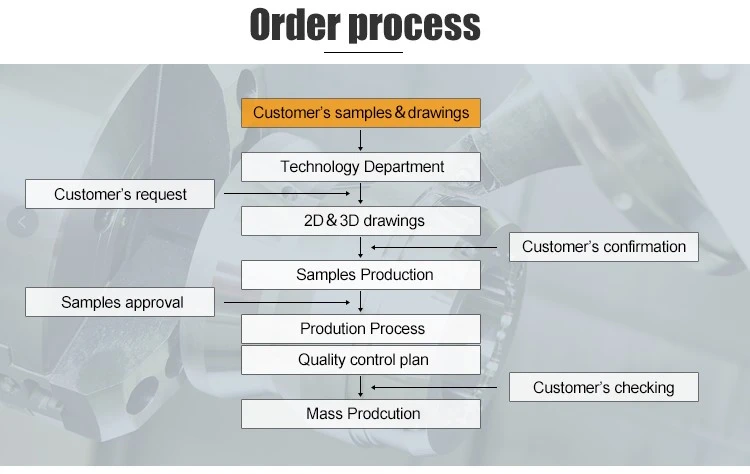
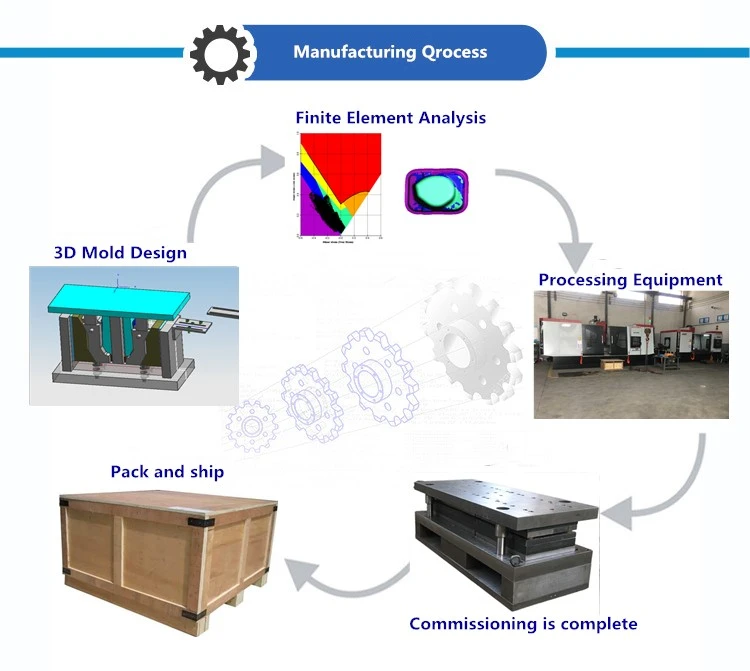
A: T1 sample delivery typically takes 35 to 45 days after 3D tool design approval. Full production commissioning is completed within 10 days after initial sampling and CMM validation.
Q4: What protective measures are included for international sea transport?
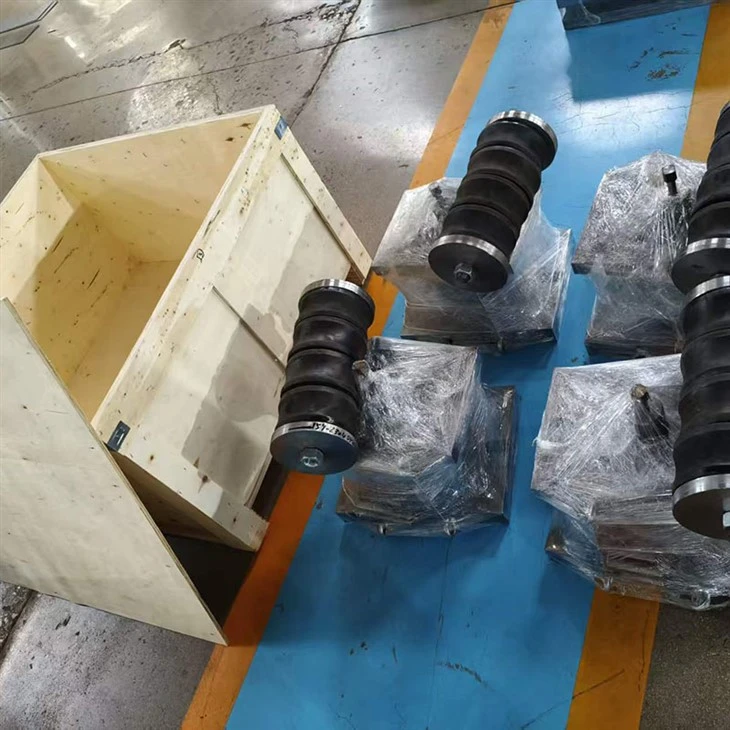
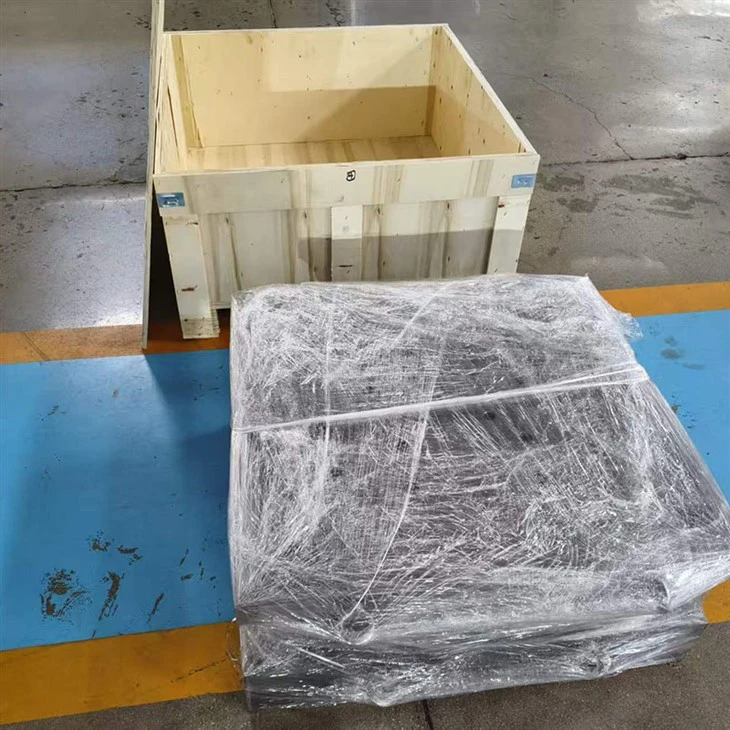
A: All active die surfaces are treated with heavy-duty anti-rust oil, wrapped in VCI corrosion-inhibitor film, and encased in custom IPPC-certified fumigated wooden crates with internal shock-absorbing supports.
Hot Tags: automotive progressive stamping tool for ev battery structural components, China automotive progressive stamping tool for ev battery structural components manufacturers, suppliers, factory, Automotive Stamping Dies, Compound Die Stamping, Hydraulic press mould, Piercing Die, Progressive Die Stamping, Punch Stamping Die


