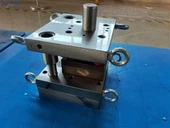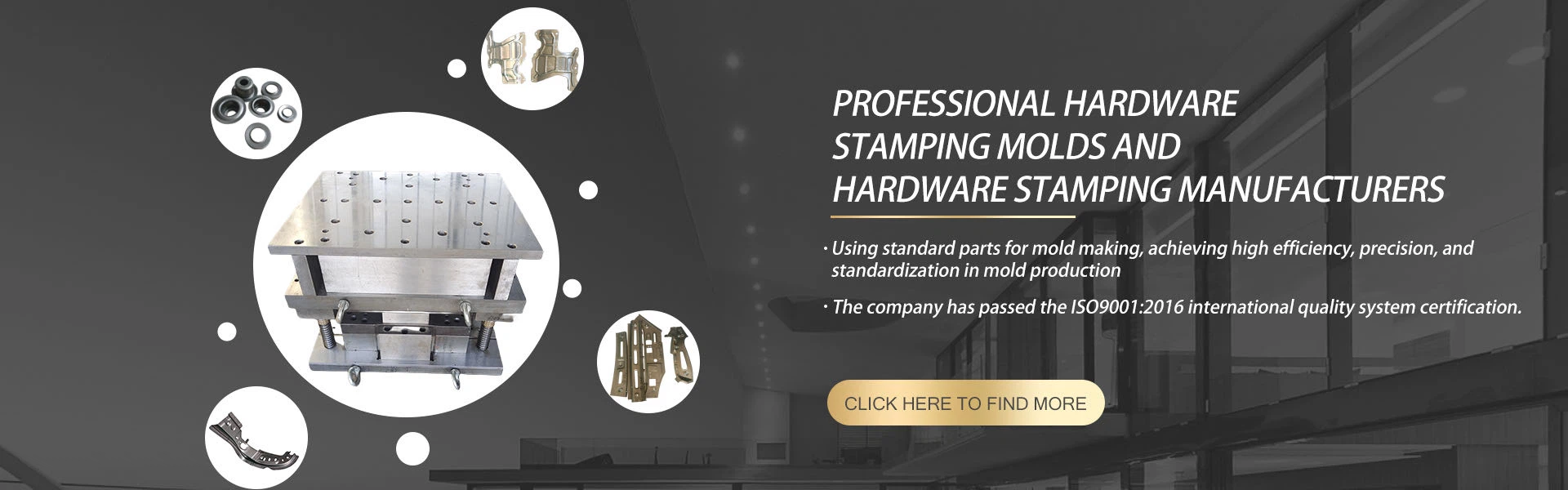


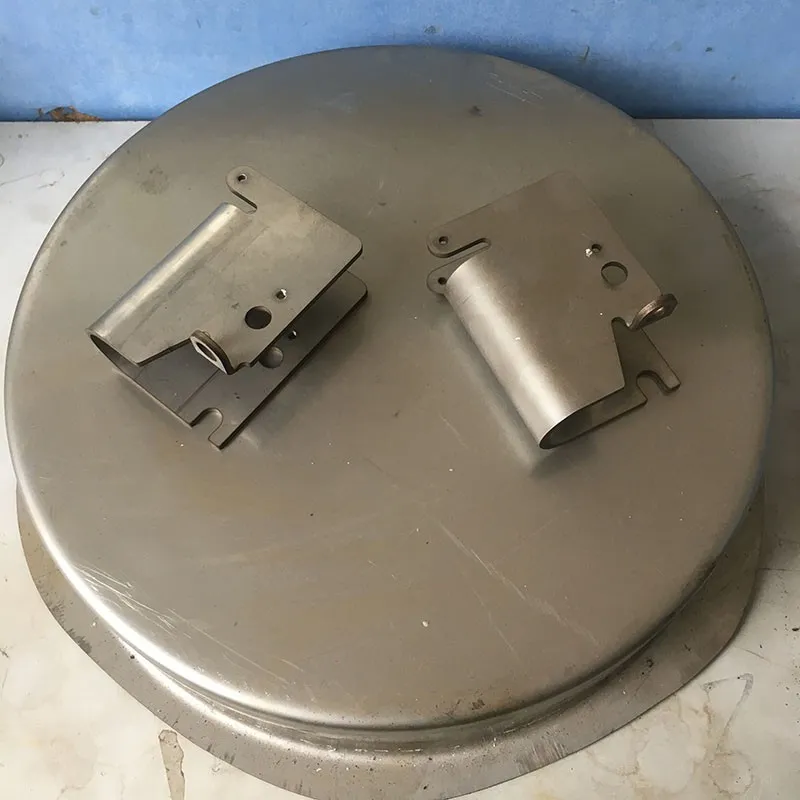


When you walk through any modern factory floor-whether it's automotive assembly, appliance production, or electronics manufacturing-you'll find one constant: stamped metal components. From the bracket holding your car's brake lines to the shielding inside your smartphone, these parts share a common origin in precision stamping dies.

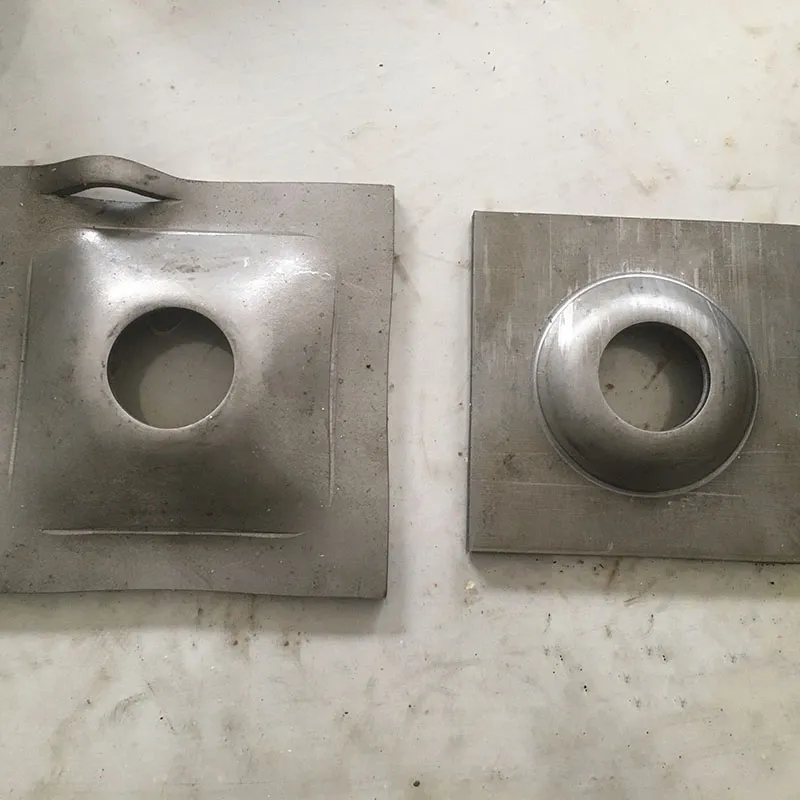


We've been in this business long enough to know that not all dies are created equal. Some shops will sell you a tool that works fine for the first 50,000 hits and then starts throwing burrs like confetti. That's not how we operate. Our dies are built to run 500,000 to over 1,000,000 cycles before requiring any major maintenance-a figure that comes from using premium materials and refusing to cut corners where it matters.
Why tool steel selection makes or breaks your production line
Ask any tooling engineer what keeps them up at night, and they'll mention die wear. Every stroke of the press grinds away at the cutting edges and forming surfaces. Choose the wrong steel, and you'll be swapping out die components while your competitors keep running.
We build our stamping dies primarily from D2 (Cr12Mo1V1) and SKD11 tool steels, heat-treated to 58-62 HRC. These high-carbon, high-chromium alloys offer the wear resistance needed for abrasive materials like stainless steel and spring steel, without becoming so brittle that they chip under impact loads. For ultra-high-volume applications-think millions of parts per year-we also offer tungsten carbide inserts that can extend tool life by 3-5× compared to conventional tool steel.
The difference between "precision" and "close enough"
Sheet metal stamping tolerances vary wildly depending on the part. General commercial stamping might hold ±0.1 mm, but that's not going to cut it when you're making connector terminals for aerospace or medical devices. Our dies are ground and fitted to achieve ±0.005 mm accuracy on critical mold dimensions, with finished stamped parts routinely hitting ±0.01 mm tolerances. That level of precision isn't accidental-it's the result of careful clearance calculations, premium guide components with sub-0.005 mm diametrical clearance, and a shop culture that treats every die as if it were going into our own production line.
Technical Specifications – Precision Stamping Dies (Article 1)
| Parameter Item | Specification Value |
|---|---|
| Die Type | Single-station / Progressive |
| Die Material – Main Body | D2 (Cr12Mo1V1) / SKD11 |
| Die Material – Cutting Inserts | Tungsten Carbide (optional) |
| Hardness After Heat Treatment | 58-62 HRC |
| Heat Treatment Process | Vacuum Quenching + Triple Temper |
| Mold Processing Tolerance | ±0.005 mm |
| Finished Part Tolerance | ±0.01 mm (typical) |
| Applicable Material Thickness | 0.1 mm – 6.0 mm |
| Compatible Sheet Materials | SPCC, SECC, SUS304, SUS316, Copper C1100, Aluminum 5052/6061 |
| Die Life Expectancy | 500,000 – 1,000,000 strokes |
| Press Tonnage Compatibility | 45 – 250 Tons |
| Guide Pin/Bushing Clearance | < 0.005 mm |
| Surface Coatings Available | TiN, TiCN, AlCrN (PVD) |
| Certifications | ISO 9001:2015 |
| Lead Time | 25-35 Days |
| Warranty | 12 Months |
Progressive dies versus single-station: making the right call
We get this question constantly: "Should I go with a progressive die or stick with single-station tooling?" There's no universal answer, but here's how we help customers decide.
Progressive dies integrate multiple operations-blanking, piercing, bending, forming-into a single tool that advances the strip with each press stroke. A well-designed progressive die can churn out over 100 parts per minute, which makes them the obvious choice for automotive brackets, electronic terminals, and anything else running in the tens or hundreds of thousands annually. But the upfront investment is higher, and you need to be confident in your annual volumes to justify the tooling cost.
Single-station dies, on the other hand, are leaner and faster to build. They're ideal for prototypes, lower-volume production runs, or parts with simple geometries that don't warrant the complexity of a progressive setup. We've built plenty of single-station tools for customers who were testing a new product design and didn't want to commit to full progressive tooling until they validated the market.
Progressive Die Configuration Reference
| Configuration Parameter | Typical Range | |
|---|---|---|
| Number of Stations | 4 – 12 Stations | |
| Strip Feed Pitch | 20 mm – 150 mm | |
| Stock Strip Width | 40 mm – 250 mm | |
| Stripper Type | Fixed / Spring-Loaded / Nitrogen Gas Spring | |
| Pilot System | Part Hole Piloting / Edge Piloting |
What to expect when you work with us
From the moment you send over a print or 3D model, our engineering team starts thinking about strip layout, station sequencing, and potential failure modes. We use solid modeling CAD software to simulate the entire tool before a single piece of steel gets machined-because catching interference issues on a screen is a lot cheaper than discovering them during die tryout.
After approval, our machining department handles everything in-house: CNC milling, wire EDM for intricate profiles, surface grinding for flatness and parallelism, and heat treatment with precise temperature control. Every die gets a full inspection report before it leaves our facility. We don't just ship a tool; we ship confidence that it'll run as promised.
Ready to discuss your stamping project?
Whether you need a single prototype die or a fully automated progressive line, we're here to help. Send us your drawings or samples, and we'll provide a detailed quote with strip layout recommendations and tooling timeline. Most quotes go out within 48 hours.
Contact our engineering team at [email/phone] or use the inquiry form below.
Hot Tags: precision stamping dies – metal forming solutions for high-volume manufacturing, China precision stamping dies – metal forming solutions for high-volume manufacturing manufacturers, suppliers, factory, Compound Die Stamping, Die for Metal Stamping Parts, Hardware stamping tools, Punch Stamping Die, Transfer Mold, Trolley Stamping Die