





The Three Key Elements of Stamping Process
In the field of metal forming and manufacturing, stamping, with its unique advantages of high efficiency, precision, and mass production, has become a core forming technology for industries such as automotive parts, appliance housings, and precision electronic components, supporting the large-scale production of countless industrial products. To truly master this technology and achieve a perfect transformation from raw materials to qualified finished products, accurately grasping the three key elements of stamping is crucial.
Of the three key elements of stamping, the stamping equipment is the power source of the entire process, directly determining the capability boundaries and stability of the stamping operation; it can be considered the "power heart" of stamping. Structurally, the core of stamping equipment consists of a power system, a transmission mechanism, and a worktable. Mainstream equipment such as presses and punch presses provide stable kinetic energy for the opening and closing of the die and the deformation of the material by precisely controlling the pressure output and stroke accuracy, ensuring that every stamping action can be accurately reproduced.


Within the three key elements of stamping, the performance parameters of the stamping equipment are deeply integrated with product requirements. For example, producing large stamped parts such as automotive body panels requires heavy-duty presses with large tonnage and wide worktables to meet the forming pressure requirements of large-sized materials. Conversely, processing micro-components like precision electronic connectors necessitates small, high-speed stamping presses with high precision and adjustable stroke to ensure micron-level dimensional accuracy. Choosing the right stamping equipment is arguably the first step in implementing the three key elements of stamping processing. Precise matching of equipment to requirements lays a solid foundation for subsequent mold design and material application, preventing product accuracy deviations or inefficiencies due to insufficient equipment capacity.
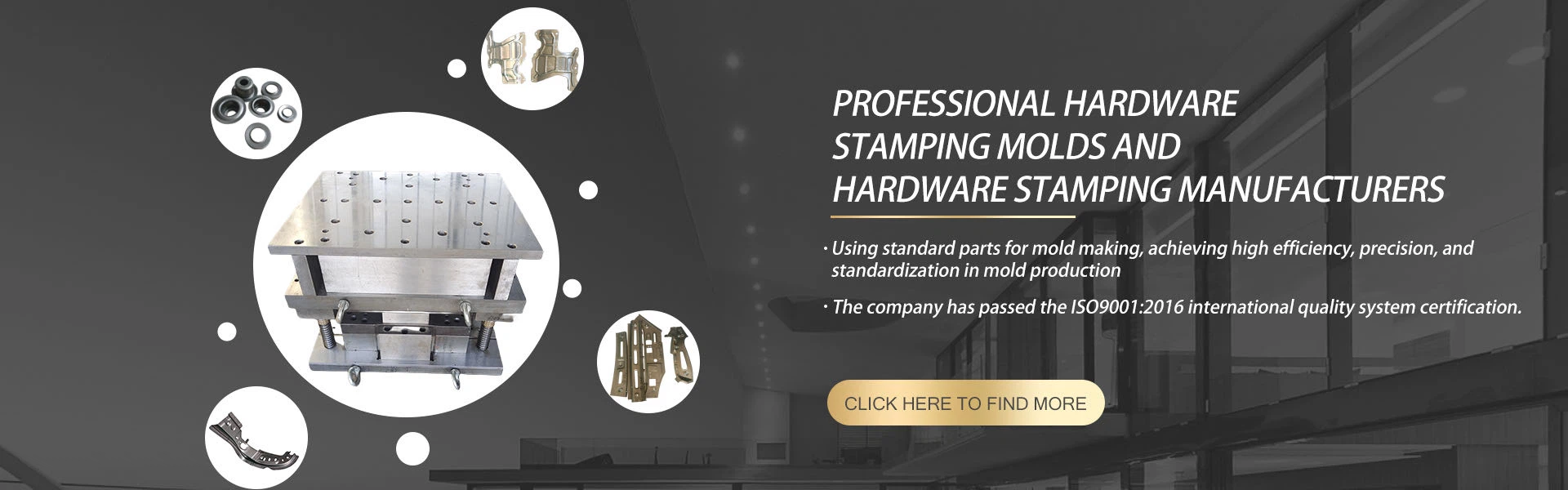
If stamping equipment is the driving force, then stamping dies are the "core mold" among the three key elements of stamping processing, determining the product's form and precision-the soul of the stamping process. Within the framework of these three elements, the design, manufacturing, and maintenance of dies directly determine the dimensional tolerances, appearance quality, and structural complexity of stamped parts. Different functional dies-such as blanking dies, bending dies, and drawing dies-correspond to different forming processes, precisely imparting specific shapes and properties to raw materials.


The crucial role of dies in the three key elements of stamping lies in the extreme control of precision. A high-quality stamping die requires high-precision machining processes and a scientific structural design to ensure uniform die clearance, sharp cutting edges, and accurate positioning. This allows for precise material deformation during stamping, avoiding problems such as burrs, cracks, and dimensional deviations. Simultaneously, die durability is also a crucial consideration in the three key elements of stamping. Regular die maintenance and timely repair of worn parts extend die life, ensuring the continuous and stable operation of the three key elements of stamping, preventing production line downtime due to die failure, and guaranteeing production continuity and stability.
Contact Us
Consultation Hotline: +86 15930861038
WeChat: 15930861038
Email: dongfangmould@aliyun.com
Service Commitment: Reply to inquiry within 12 hours; provide free mold design optimization for qualified customers.
Hengshui Dongmo Precision Metal Products Co., Ltd.
Hot Tags: custom double-sink stainless steel sink molds, China custom double-sink stainless steel sink molds manufacturers, suppliers, factory


