

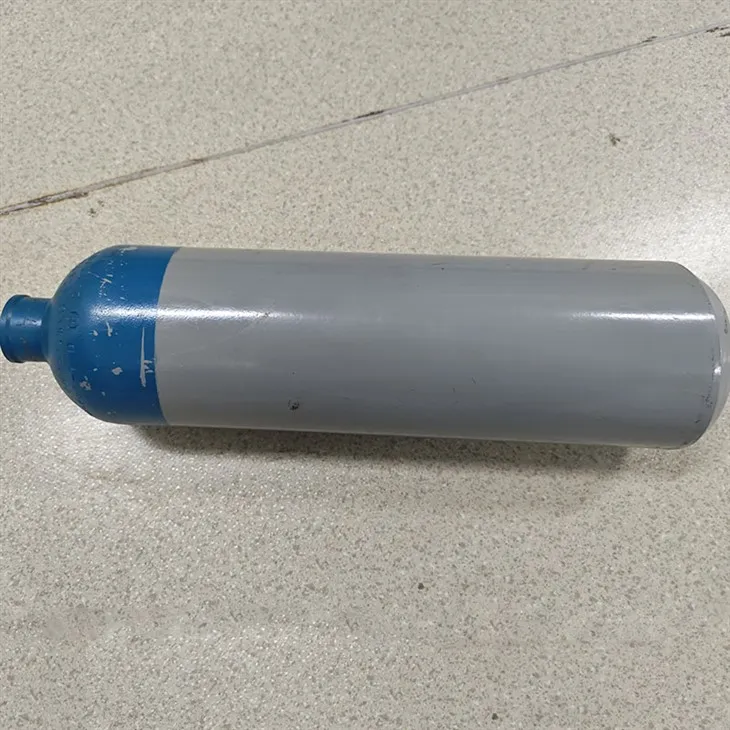


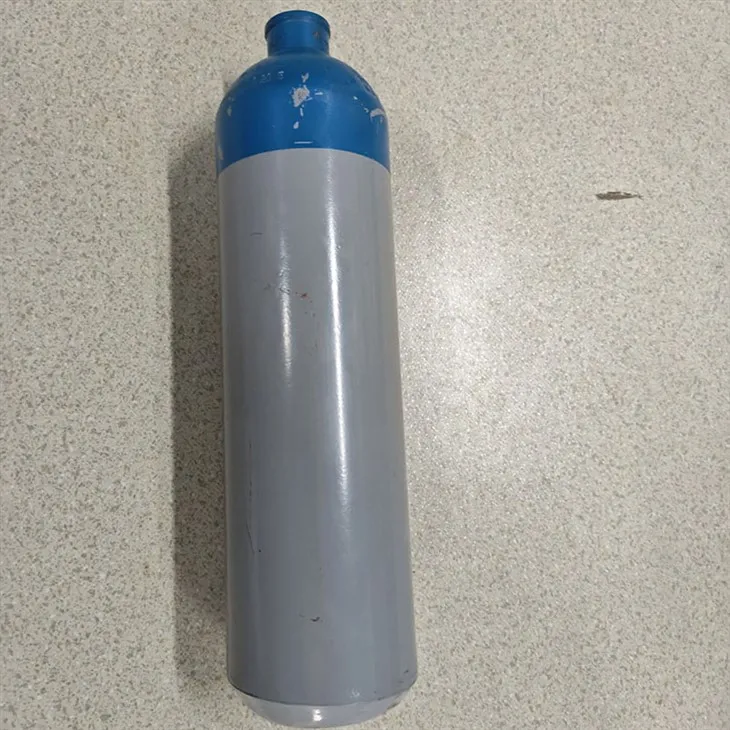
When a gas cylinder rolls off the production line, the tooling that shaped it is largely invisible-but it's the difference between a vessel that holds pressure safely for decades and one that fails inspection. For LPG cylinder manufacturers, the mould isn't just a forming tool; it's the foundation of product consistency, production efficiency, and regulatory compliance.
LPG cylinders are pressure vessels, plain and simple. They store liquefied petroleum gas at working pressures that can exceed 1.66 MPa at 65°C, depending on the regional standard. This means the steel components that form the cylinder-the upper and lower heads, the welded body, the foot ring, and the guard ring protecting the valve-must be formed with repeatable accuracy. Our LPG cylinder moulds are engineered for exactly that reality: consistent deep drawing, precise blanking, and reliable forming across production runs measured in millions of units per year.
We manufacture moulds for every component in the LPG cylinder assembly chain. The core of any cylinder line is the body mould-typically a deep drawing die set that forms the upper and lower heads from steel plate, usually Q195, Q235, or SG295 grade material, in thicknesses ranging from 2.0 mm to 4.5 mm depending on cylinder capacity. These head components are then welded together to create either a two-piece or three-piece cylinder body configuration. In a two-piece design, the upper and lower heads are drawn separately and joined at the equator weld; in a three-piece design, a cylindrical body section is welded between the two heads. The mould design and material selection shift accordingly based on the forming depth and the number of drawing stages required. Alongside the main body moulds, we supply blanking dies for raw material preparation, foot ring moulds that form the stable base, guard ring dies that create the protective collar around the valve neck, and neck ring moulds that form the bung or boss where the valve assembly mounts.
What separates a production-grade LPG cylinder mould from a generic stamping die is material selection and surface engineering. The working components-punches, dies, and draw rings-are machined from high-carbon, high-chromium tool steels. For standard production volumes, we specify CR12MoV (often shortened to CR12MOV in industry shorthand), D2, or SKD11, which deliver a working hardness of 58-62 HRC after vacuum quenching and multiple tempering cycles. For high-wear components like blanking punches and trimming dies that face thousands of impact cycles daily, we move to powdered metallurgy grades-ASP23 or ASP30-or carbide inserts in YG15 or YG20 grades, pushing hardness into the 65-67 HRC range and extending maintenance intervals significantly.
The thermal treatment of these moulds is just as critical as the material itself. Every die set goes through vacuum heat treatment followed by cryogenic processing (ultra-low temperature treatment) to relieve residual stresses and stabilize the martensitic structure. After quenching and tempering, we precision-grind all working surfaces to a flatness of ±0.005 mm. This isn't just about dimensional accuracy-it's about ensuring uniform material flow during deep drawing, which directly affects wall thickness consistency and, by extension, the cylinder's burst pressure rating.
Tolerance control is where many tooling suppliers fall short, and it's also where LPG cylinder regulations bite hardest. Standards such as EN 1442:2017 (European), DOT specifications (North America), and ISO 4706 govern everything from wall thickness uniformity to weld alignment to neck ring geometry. A cylinder that falls outside dimensional spec during forming may pass visual inspection but fail hydrostatic testing downstream. We maintain die insert tolerances within ±0.005 mm and finished part tolerances within ±0.01 mm, with all critical dimensions verified on coordinate measuring machines (CMM) and optical comparators. Draw radii are polished to Ra ≤ 0.4 μm to minimize friction and prevent galling during high-speed production runs.
If you're sourcing LPG cylinder moulds for a new production line or upgrading existing tooling, we're ready to work from your cylinder drawings-whether for 5 kg, 6 kg, 11 kg, 13 kg, 15 kg, or 50 kg specifications. Our engineering team will analyze your part geometry, material specifications, and production volume targets to recommend the most cost-effective mould configuration for your application. From deep drawing simulation to final tryout, we handle the entire tooling lifecycle.

Mould Types by Cylinder Component:
LPG Cylinder Body / Head Deep Drawing Moulds - Form the upper and lower heads of the cylinder from steel plate. These are progressive or transfer dies that perform multiple drawing stages to achieve the required dome depth and wall thickness profile. For two-piece cylinder construction, the upper and lower heads are drawn separately and welded at the equator; for three-piece construction, the heads are joined to a cylindrical body section.
LPG Cylinder Blanking Dies - Cut the initial steel blanks from coiled sheet material before deep drawing. Blanking die design must account for material utilization (nesting efficiency) and edge quality to prevent micro-cracks that could propagate during subsequent forming operations.
LPG Cylinder Guard Ring Dies - Form the protective collar that surrounds the cylinder valve. This component is typically produced via a multi-station progressive stamping die that includes piercing, bending, forming, and trimming stations. The guard ring must be robust enough to withstand impact during handling while maintaining proper clearance around the valve assembly.
LPG Cylinder Foot Ring Moulds - Form the base ring that provides stable footing and protects the bottom weld seam. Foot rings are typically roll-formed or stamped from heavy-gauge steel plate (2.5-4.0 mm), requiring higher-tonnage presses and robust die construction.
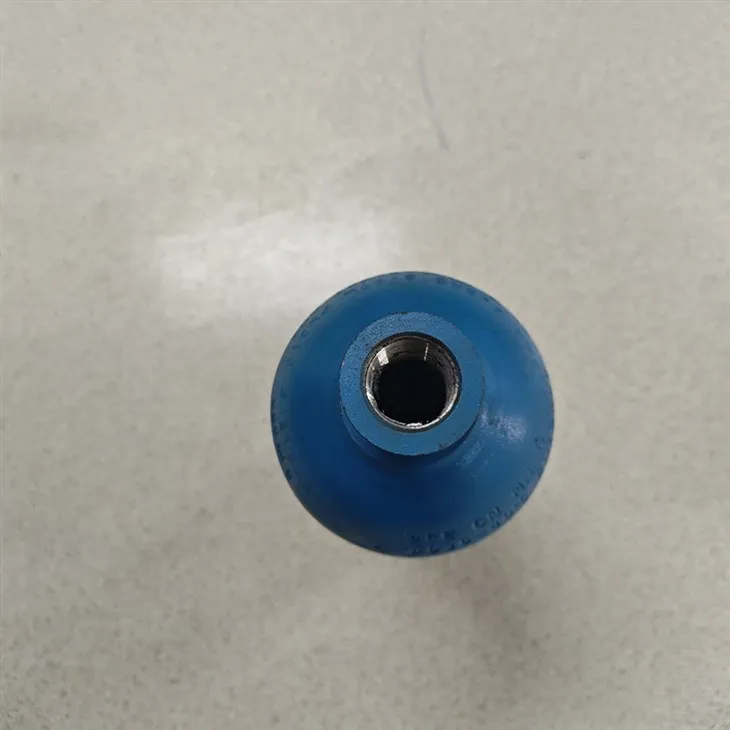
LPG Cylinder Neck Ring Moulds - Form the bung or boss where the valve threads into the cylinder. This component requires high precision machining because thread geometry directly affects valve seal integrity and leak-tight performance under pressure.
LPG Cylinder Notching / Piercing Dies - Create the cutouts, holes, and notches required for handle attachment, valve mounting, and other auxiliary components.
Typical End-Use Applications:
Residential Cooking Gas - 5KG to 15KG domestic LPG cylinders for household use
Commercial & Industrial - 50KG and larger cylinders for restaurants, factories, and bulk storage
Automotive LPG (Autogas) - Specialized cylinders for LPG-powered vehicles, often requiring DOT or ECE certification
Forklift Cylinders - Horizontal and vertical LPG cylinders for material handling equipment


Hot Tags: custom lpg cylinder moulds for high-volume gas cylinder production | china manufacturer, China custom lpg cylinder moulds for high-volume gas cylinder production | china manufacturer manufacturers, suppliers, factory


