

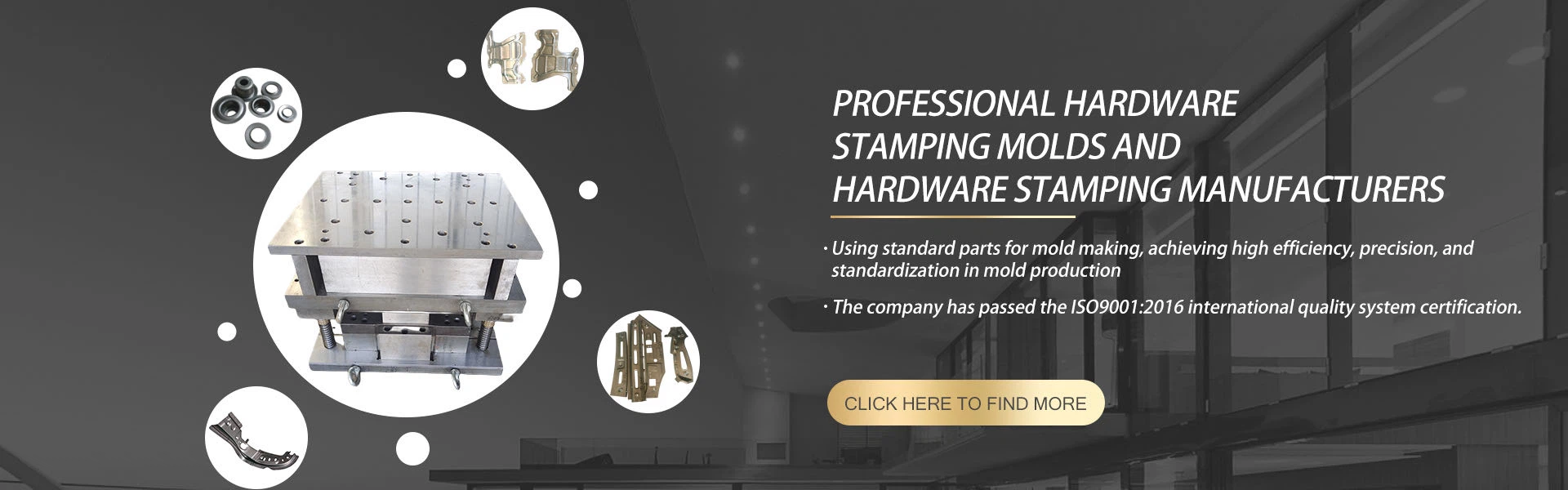

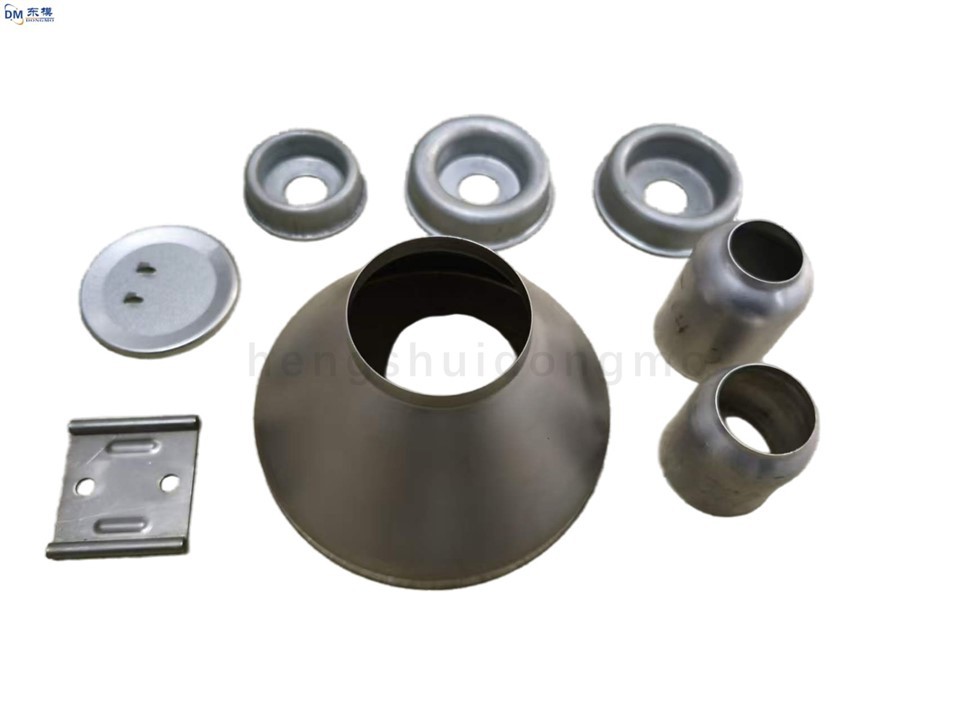
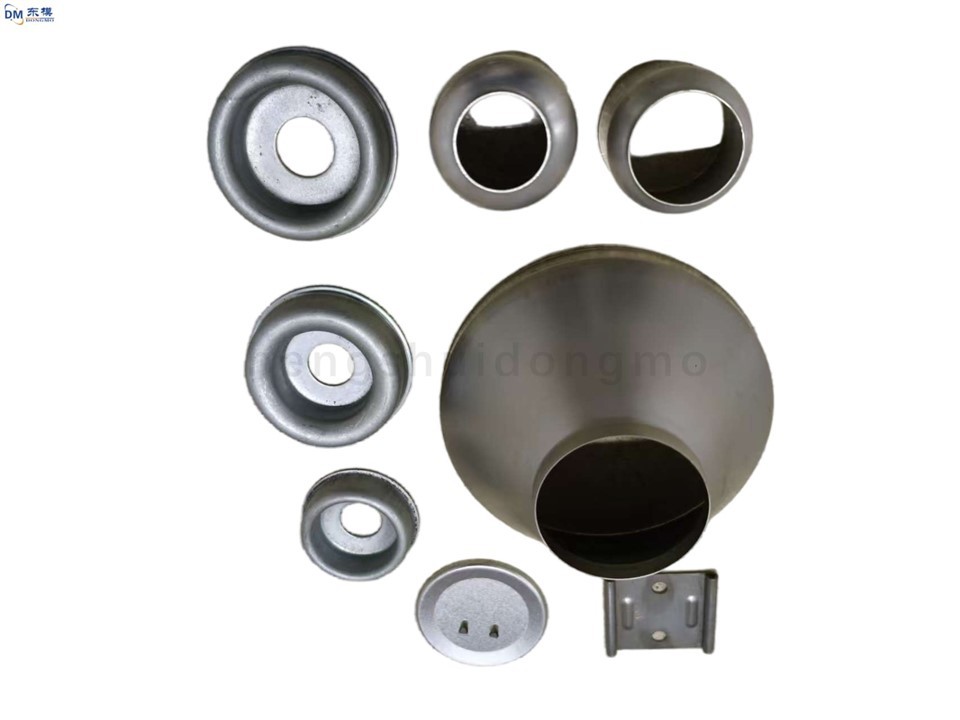


What is Progressive Die Stamping?
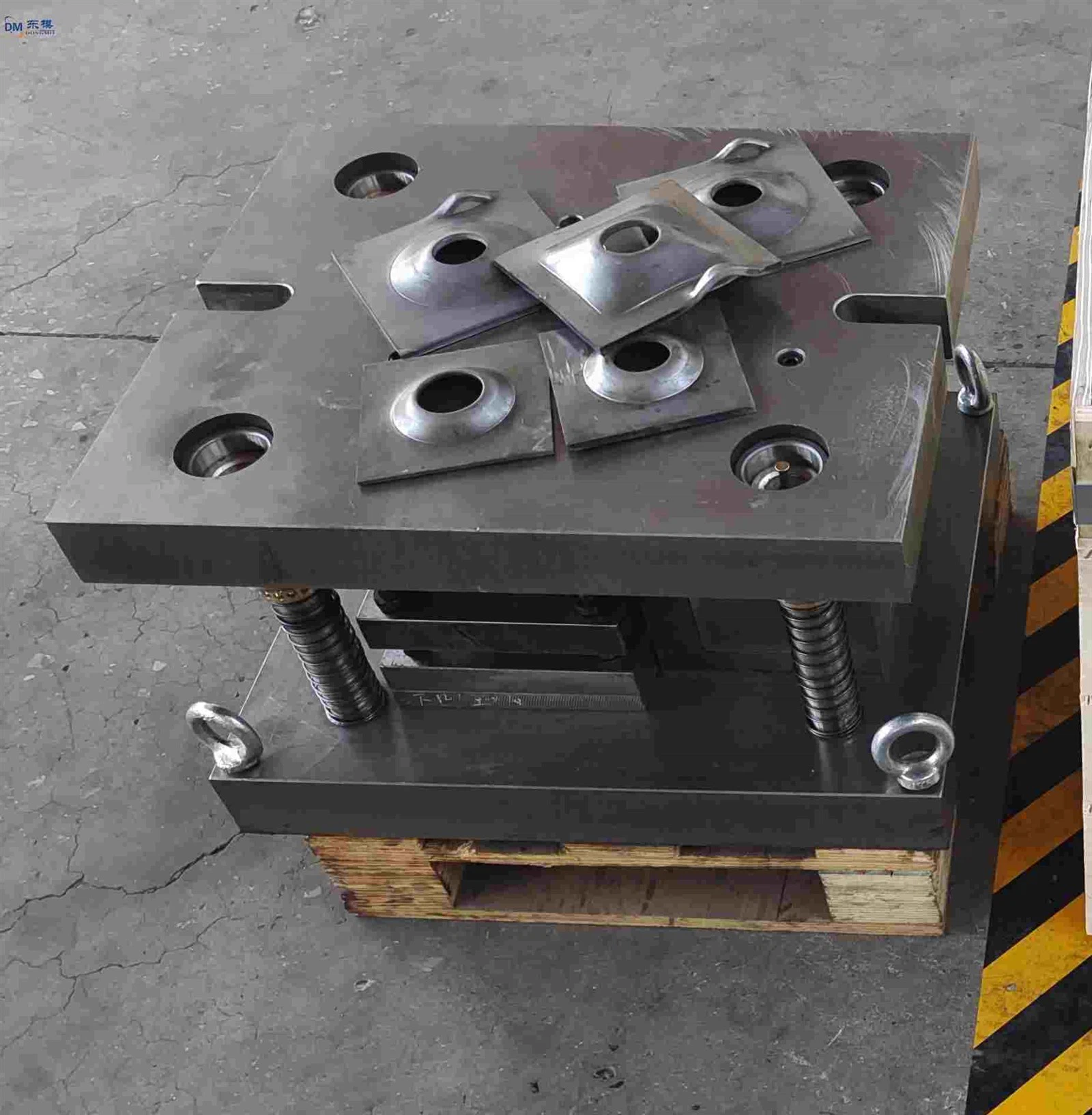
Progressive Die Stamping Process: A Detailed Explanation
The brilliance of progressive die stamping lies in its ability to transform simple, flat metal coils into complex three-dimensional parts in an extremely short time. This is thanks to a series of perfectly synchronized operations. Understanding this process is key to appreciating the power and complexity of this technology.
Preparation: Printing Press and Die
The process takes place on a high-speed mechanical press or servo press. This powerful machine provides the vertical motion ("stroke") required to drive the process. At the heart of the process is the progressive die. This is not a simple tool, but a huge, custom-made block of steel. It contains all the punches, forming elements, and cutting stations needed to manufacture the part. The progressive die consists of two parts: the upper die moves with the press slide, and the lower die is fixed to the press table.
Step 1: Carrier Belt Conveyor
The entire process begins with the raw material. A large roll of sheet metal, hundreds of feet long, is loaded onto an uncoiler. The end of the coil passes through a straightener and then enters the progressive die. This continuous metal strip is called the carrier belt. It carries the part through the entire forming process.
Step Two: First Stroke – Multiple Surgeries
Once the steel strip is in place, the press begins its operation. In the first stroke, each station in the die simultaneously performs its specific operation on different sections of the steel strip.
Station 1 may drill a series of small, precise "guide holes." These holes are crucial for accurately positioning the steel strip in subsequent stations.
Station 2 may perform a cutting or grooving operation to begin defining the part's outline.
Station 3 may punch an internal hole or groove.
Station 4 may perform the first bending or forming operation.
This synchronized action is the core principle of the process.


Step 3: Strip Progression
After the first stamping, the press retracts. Subsequently, a precision feeding mechanism advances the carrier strip forward a precise distance. This distance is called the "pitch." This movement perfectly aligns the carrier strip section that was just at station 1 with station 2. The carrier strip section at station 2 moves to station 3, and so on. A new section of the roll enters station 1. Step 4: Second Stamp and Beyond
The printing press then performs a second stamping. This is where the magic of the "progressive" printing process becomes apparent.
Fresh material at station 1 is drilled through guide holes.
The first part, now at station 2, has been slotted.
The slotted part is now at station 3, its internal holes punched.
This process continues along the entire length of the die.
With each stamping press, each part on the strip is advanced to the next station for another deformation. The part is gradually shaped as it moves through the die.
Step 5: Removing the Finished Part
At the final station of the die, a final "cutting" or "dropping" operation occurs. This station cuts the fully formed part off the carrier strip. The part then ejects from the die, usually falling onto a conveyor belt for collection. The remaining carrier strip, now resembling a metal strip with holes shaped like the part, is shredded and recycled.
This continuous, synchronized coordination results in astonishing production efficiency. After the initial setup phase, each press of the printing press produces a complete finished part.

Contact Us
Consultation Hotline: +86 15930861038
WeChat: 15930861038
Email: dongfangmould@aliyun.com
Service Commitment: Reply to inquiry within 12 hours; provide free mold design optimization for qualified customers.
Hengshui Dongmo Precision Metal Products Co., Ltd.
Hot Tags: custom precision metal stamping part, China custom precision metal stamping part manufacturers, suppliers, factory, Deep drawing stamping processing, Deep drawn hardware, Parts Laser Cutting, Sheet Metal Forming, stamping parts, steel stamping


