

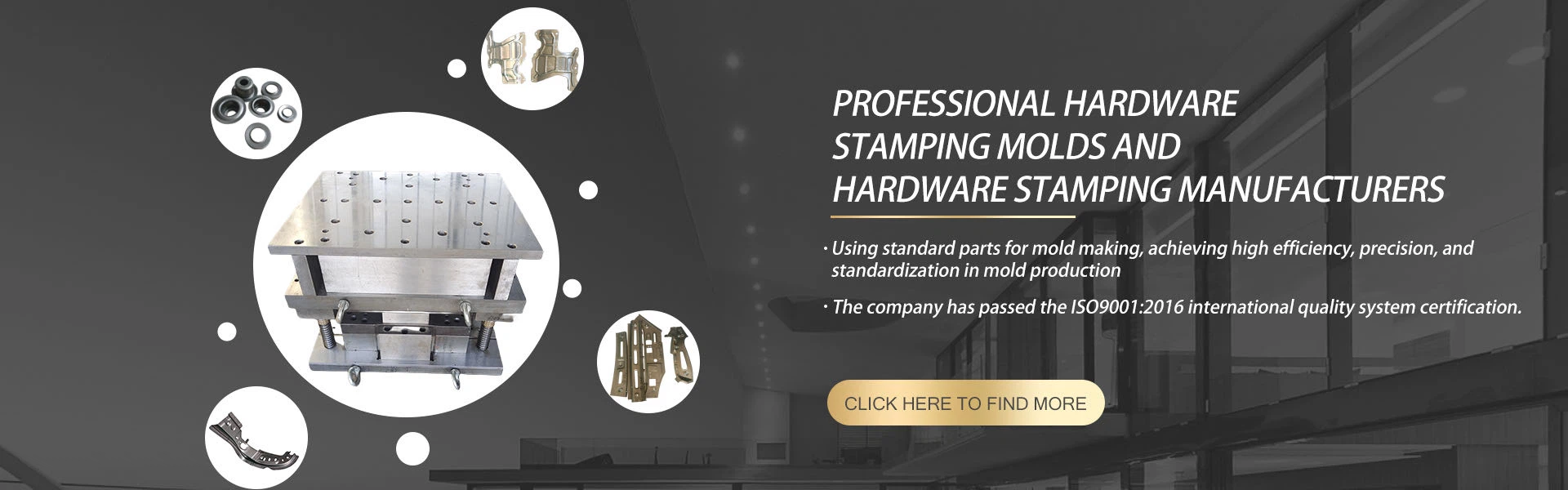


Modern electrical systems, aerospace wiring harnesses, and telecommunication grids rely on billions of wire-to-board and wire-to-wire connections. Manufacturing these intricate terminals requires extreme speeds paired with microscopic structural accuracy. A specialized Terminal Progressive Die represents the peak of high-speed micro-stamping technology, converting thin ribbons of highly conductive alloys into finished, reeled terminals at speeds that keep up with global supply chains.
Unlike general electronic stamping, terminal manufacturing deals with complex three-dimensional wrapping, continuous strip reeling, and narrow pitch tolerances. The tooling must form elastic insulation grips, wire barrels, and contact beams seamlessly while keeping the parts attached to a carrier strip for automated downstream wire crimping.
Procedural Anatomy of a Terminal Strip Layout
To achieve complex geometry without fracturing thin, brittle materials like beryllium copper or phosphor bronze, the bending and cutting operations are spread across a high density of micro-stations.
[Station A: Carrier Pitch Piercing] ↓ [Station B: Complex Silhouette Lancing] ↓ [Station C: Pre-Bending & Wing Pre-Forming] ↓ [Station D: Coining & Contact Point Dimpling] ↓ [Station E: Final 360° Barrel Wrapping] ↓ [Station F: Carrier Reeling & Interlocking]
The initial stations establish high-precision indexing pilots along the carrier strip to anchor the raw material during micro-positioning. Next, a series of lancing punches cut away the outer contour of the terminal pins while maintaining structural balance on the spine of the strip.
As the material advances into the forming zone, specialized radius punches execute incremental folds to form the wire and insulation crimp barrels without introducing stress fractures. Finally, contact surfaces receive precise dimpling or coining to maximize electrical conductivity before the finished strip is wound onto transport reels.
Critical Engineering Parameters & Material Constraints
Designing a ultra-high-speed progressive tool for terminal pins requires analyzing mechanical variables that differ from traditional heavy industrial stamping.
Plaintext
[Die Classification] High-Frequency Segmented Terminal Progressive Die [Compatible Pitch Sizes] Micro-miniature pitches down to 0.5 mm center-to-center [Core Tool Materials] Sub-micron tungsten carbide inserts (G-Grade) [Feed Step Precision] Servo-driven mechanical indexing accurate to within ±0.001 mm [Press Stroke Rates] Continuous operational speeds up to 1,200 Strokes Per Minute (SPM) [Surface Treatment] Mirror-polished forming inserts with specialized DLC coatings
Solving High-Volume B2B Production Challenges
High-frequency terminal production faces distinct challenges: dealing with high-speed scrap, managing material twist, and keeping maintenance downtime to a minimum.
Scrap slug pulling can ruin a high-speed production run. If a tiny piece of metal scrap sticks to a punch and rises back onto the die surface, the next press stroke will crush it into the terminal strip, damaging the tool. We integrate vacuum-assisted slug ejection holes and negative-taper die matrix blocks to pull scrap away from the active stamping zone instantly.
Continuous micro-stamping creates massive internal stresses in cold-rolled metal strips, causing the carrier to twist or bow over long distances. Our tooling features built-in, micro-adjustable anti-twist blocks and flattening stations. These allow operators to fine-tune the strip's flat profile while the press is running, ensuring the finished reels wrap perfectly and feed smoothly into automated crimping machines.
Because these dies run millions of strokes weekly, routine maintenance must be fast. We design our terminal progressive dies using an independent modular block architecture. This means worn cutting sections or bending cams can be removed and replaced as pre-aligned sub-cassettes, reducing toolroom maintenance down to just a few minutes.
Secure Your High-Precision Tooling Infrastructure
Building an efficient Terminal Progressive Die demands a deep understanding of metal grain direction, strip elasticity, and micro-clearances. Our engineering division utilizes advanced simulation tools to map out your terminal strip layout, optimizing material yield and reducing expensive raw material waste.
Connect with our technical design group today to submit your terminal blueprints, material datasheets, and target volume metrics. We will deliver a comprehensive DFM (Design for Manufacturability) study and an industrial production quotation.
Hot Tags: micro-pitch engineering: the technical dynamics of a terminal progressive die, China micro-pitch engineering: the technical dynamics of a terminal progressive die manufacturers, suppliers, factory, Cold stamping mold, Compound Die, Deep Drawing Stamping Die, Multi station Stamping Die, Precision Deep Drawing Mold, Progressive Die Stamping


