


Few industrial components carry the weight of responsibility that an LPG cylinder mould does. Think about it-millions of households worldwide rely on liquefied petroleum gas for their daily cooking and heating needs. The container holding that pressurized fuel has to be flawless. No second chances. No room for error.
Behind every safe, reliable LPG cylinder stands a set of precision-engineered moulds and dies that transform flat steel sheets into robust pressure vessels. These moulds are not just production tools; they are the foundation of an entire industry expected to grow substantially over the coming years.
What Exactly Is an LPG Cylinder Mould?
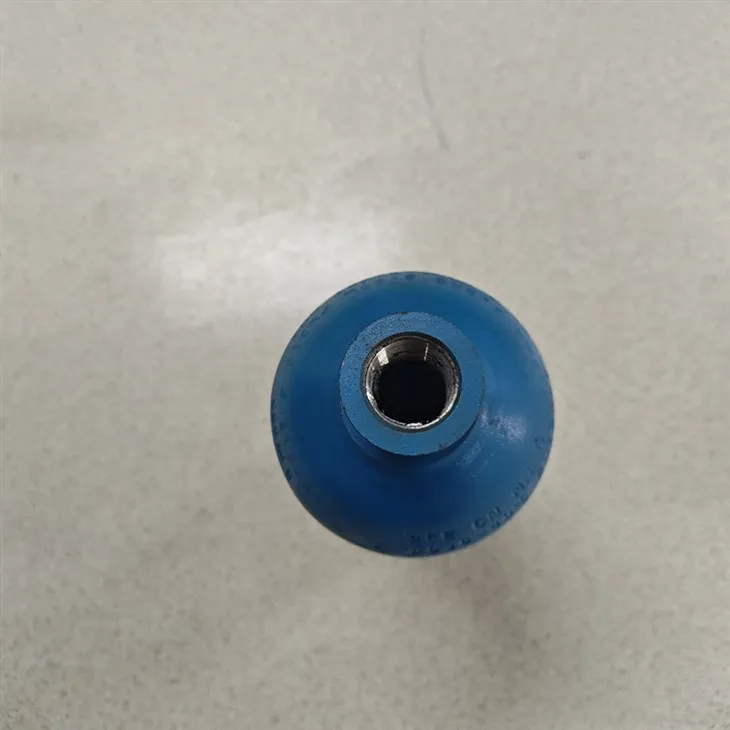
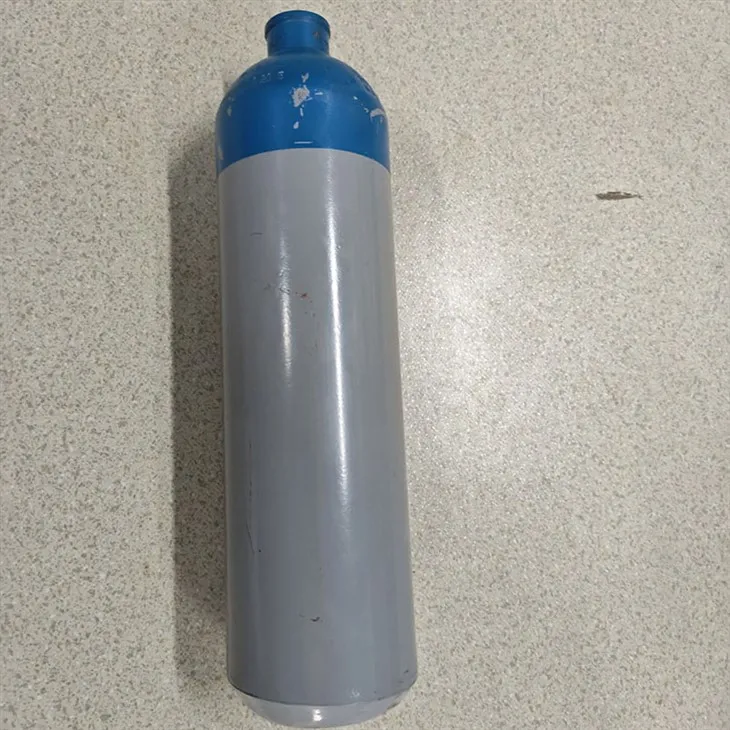
An LPG cylinder mould is a specialized industrial toolset used in the forming and shaping of liquefied petroleum gas cylinders. It comprises multiple die components that work together to cut, draw, bend, stamp, and form steel plates into cylinder bodies, end caps (heads), foot rings, valve protection guards, and handles. Each part of the finished cylinder-from the curved upper dome to the flat bottom base-owes its shape to a specific mould or die in the production sequence.
The moulds used in this industry fall into several distinct categories based on their function. Blanking dies cut steel sheets into the required initial shapes. Deep drawing dies pull and stretch those blanks into cylindrical forms or hemispherical heads. Stamping dies imprint features, markings, and structural contours. Forming moulds shape the foot rings that allow cylinders to stand upright and the guard rings that protect valve assemblies. Piercing and trimming dies create precise openings and remove excess material.
The cold stamping process, which dominates steel LPG cylinder production, involves placing a steel plate between upper and lower die components. Under hydraulic pressure, the material undergoes plastic deformation-flowing into the mould cavity to create the desired geometry without cutting away material. This approach preserves the steel's inherent strength while achieving complex curved surfaces.
Hot Forming vs. Cold Forming: A Tale of Two Approaches
The manufacturing floor offers two fundamentally different paths to cylinder formation. Understanding the distinction matters, because each method brings its own advantages to the table.
Hot forming begins with heating steel blanks to elevated temperatures-sometimes approaching 1200°C. At these temperatures, steel becomes remarkably malleable, flowing into mould cavities with less resistance and requiring lower press tonnage. The heated material can be forged into shapes that would crack or tear under cold working conditions. Cylinder valve bosses, for instance, are typically hot-forged from steel rods before flash trimming removes excess material. After forming, these components undergo controlled heat treatment cycles (often reaching 930°C) to normalize grain structure and relieve internal stresses.
Cold forming, in contrast, works with steel at ambient temperature. The material undergoes plastic deformation through mechanical pressure alone-no furnaces, no thermal cycling. This approach preserves work-hardening effects that actually strengthen the finished part. Cold-formed components maintain tighter dimensional tolerances because thermal expansion and contraction are eliminated from the equation. Most LPG cylinder stamping dies operate as cold-working tools, using hydraulically driven presses to reshape steel plates with precision.
Many production lines combine both approaches, leveraging hot forming for deep draws and complex geometries, then switching to cold stamping for finishing operations and feature details. The choice ultimately depends on material grade, part complexity, production volume, and quality specifications.
The Anatomy of a Complete Mould System
A single LPG cylinder requires multiple mould sets working in coordinated sequence. Let's walk through the key components.
Cylinder Head Moulds (End Cap Moulds) shape the upper and lower domes that form the cylinder's sealed ends. These deep-drawing dies must achieve consistent wall thickness across the entire curved surface-a challenging requirement given the severe deformation involved. Modern head moulds may incorporate floating components that help distribute forming forces more evenly, reducing localized thinning and residual stress.
Body Drawing Dies transform flat blanks into cylindrical shells. The structure of LPG deep-drawing dies generally follows two configurations: positive drawing (punch positioned above, drawing downward) and reverse drawing (punch below, drawing upward). Most conventional setups favor the first arrangement, though the choice often depends on available press equipment.
Foot Ring Moulds produce the base ring that allows cylinders to stand stably. These moulds shape steel into circular bands with specific cross-sectional profiles designed to distribute weight evenly while providing adequate clearance from the floor surface.
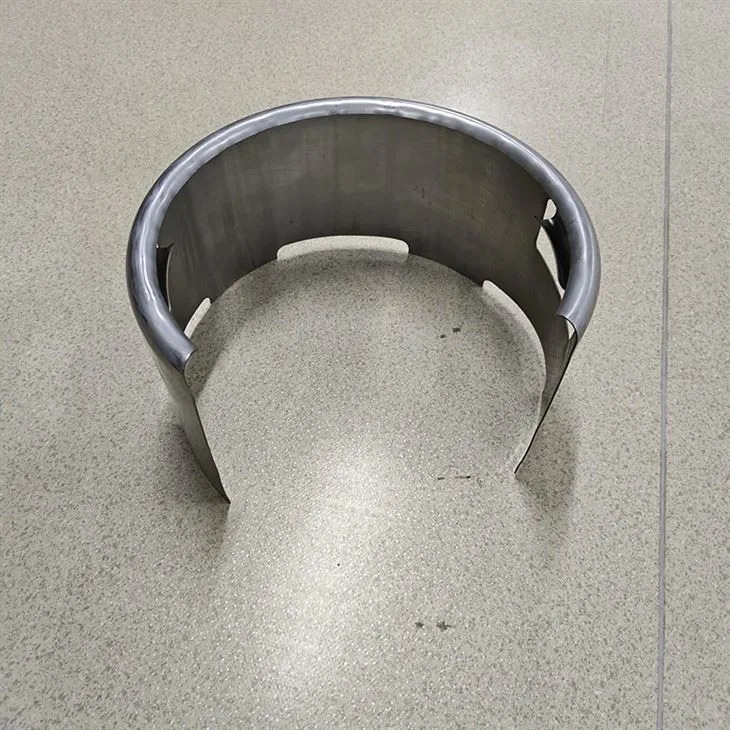
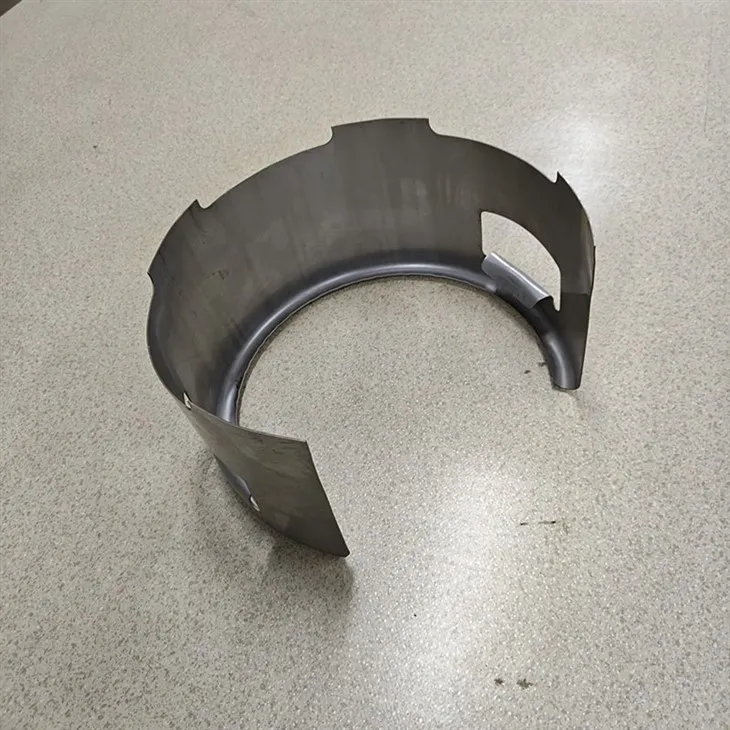
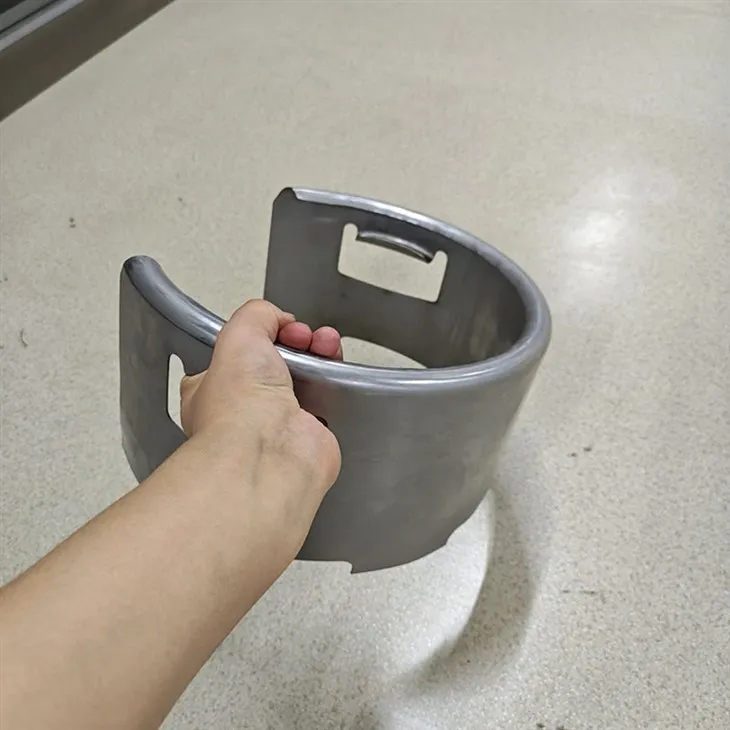
Guard Ring Moulds (Valve Protection Moulds) create the protective collar surrounding the valve assembly. These components shield the cylinder's most vulnerable point from impact during transport and handling. The moulds must produce rings with precise inner diameters that mate securely with cylinder necks.
Handle Moulds form the carrying grips found on smaller domestic cylinders. Handle production typically involves a multi-step sequence: blanking, stamping, vertical edge bending, rolling, upper edge bending, and final handle bending. A complete handle mould system may contain six or more individual die stations.
Quality moulds incorporate features that extend tool life and improve part consistency. Precision-ground surfaces (flatness tolerances as tight as ±0.005mm), strategic cooling channels, and wear-resistant coatings all contribute to extended service life.
Materials That Build the Moulds That Build the Cylinders
The steel grades used in LPG cylinder mould construction reflect decades of metallurgical refinement. Tool steels like D2, SKD11, DC53, SKH-9, and SKH-51 dominate high-wear applications where edge retention and impact resistance matter most. Carbide inserts (YG15 grade) handle the most demanding wear points.
The cylinder blanks themselves typically come from steel grades Q195 and Q235-carbon structural steels with good formability and weldability. For more demanding applications, grades like HP295 (welded gas cylinder steel) undergo stricter chemical composition controls to ensure reliable performance under pressure cycling.
Heat treatment forms a critical step in mould fabrication. Dies undergo vacuum heat treatment followed by ultra-low temperature processing for stress relief. This sequence stabilizes dimensions, improves wear characteristics, and prevents premature cracking in service.
Surface treatments add another layer of performance. Stretch films and specialized forming lubricants prevent galling and scoring during deep drawing operations-critical for maintaining pristine surface finish on cylinder interiors where imperfections could become stress concentrators.
Manufacturing Standards: The Rulebook No One Can Ignore
LPG cylinder production operates within a dense framework of international standards. Mould design and manufacturing processes must align with these requirements from day one.
ISO 22991 (and its regional equivalents like AS/NZS ISO 22991:2024) specifies minimum requirements for material selection, design, construction and workmanship, procedures, and testing for transportable refillable welded steel LPG cylinders up to 150 liters water capacity. EN 1442 and EN 14140 govern European production of welded steel LPG cylinders, with the latter allowing alternative design and construction methods. For composite cylinders, ISO 11119-3 provides the guiding framework. The Singapore standard SS 99:2025 addresses welded steel cylinders with test pressures up to 60 bar.
These standards influence mould design in subtle but important ways. Wall thickness requirements dictate draw ratios and forming pressures. Weld preparation features must be incorporated into blanking and edge-forming operations. Marking and identification requirements may be stamped directly during forming rather than applied later.
A competent mould manufacturer understands these regulatory constraints and builds compliance into the tooling itself. This knowledge separates commodity mould suppliers from genuine engineering partners.
The Smart Factory: Where Moulds Meet Industry 4.0
LPG cylinder manufacturing is embracing digital transformation. Industry 4.0 technologies are reshaping how moulds are designed, operated, and maintained.
CAE simulation has become a standard part of mould development workflows. Engineers use finite element analysis to predict forming defects, optimize stamping sequences, and refine die geometries before cutting a single piece of steel. This digital prototyping reduces trial-and-error iterations and shortens time-to-market for new cylinder designs.
Automated production lines integrate moulds with robotic handling, automated welding stations, and inline inspection systems. Modern LPG cylinder plants may incorporate robotic arms and AI-driven systems for precision welding, material handling, and automated quality inspection. These systems work 24/7 with exceptional consistency-reducing scrap rates and improving overall equipment effectiveness.
Manufacturing Execution Systems (MES) track production parameters in real-time, creating digital records that support quality audits and process optimization. Some advanced facilities now deploy digital twins-virtual replicas of their production systems-to simulate and optimize operations before implementing changes on the physical line.
For mould maintenance, predictive analytics monitor wear patterns and usage counts. A quality LPG stamping mould should reliably deliver 500,000 strokes or more before requiring major service. Some manufacturers offer rapid changeover systems that reduce mould swap times from hours to under 30 minutes-a critical advantage for facilities producing multiple cylinder sizes.
How to Evaluate an LPG Cylinder Mould Supplier
Selecting a mould partner involves more than comparing prices. Here's what experienced buyers examine.
Track record in pressure vessel tooling. Mould making for general sheet metal parts differs substantially from LPG cylinder applications. The pressures, material thicknesses, and safety implications create a specialized niche. Look for suppliers with demonstrated experience in gas cylinder moulds specifically-not just general stamping dies.
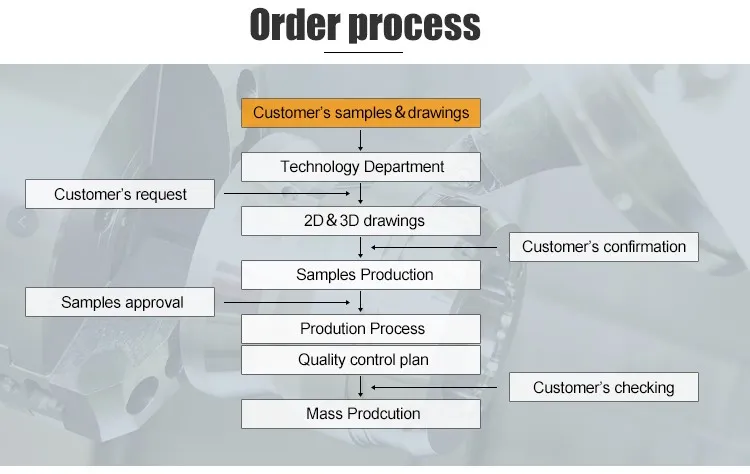
In-house engineering capabilities. The best mould makers employ teams that can work from customer drawings, refine designs for manufacturability, and conduct simulation analysis before cutting steel. CAE, CAD, and CAM integration streamlines the entire development workflow.
Quality infrastructure. Serious suppliers maintain comprehensive inspection capabilities-CMM equipment, 3D measurement systems, and documented quality management procedures. ISO 9001 certification provides a baseline; specific experience with pressure vessel standards adds additional confidence.
After-sales technical support. Moulds require ongoing maintenance and occasional troubleshooting. Access to engineering support for wear part replacement, process adjustments, and performance optimization adds long-term value beyond the initial purchase price.
The Road Ahead: Trends Shaping the Industry
The global LPG cylinder manufacturing market continues its steady expansion, valued at USD 3.5 billion in 2024 with projections reaching USD 5.07 billion by 2031. Multiple forces are driving this growth.
Composite cylinder production represents a parallel development path that requires different tooling approaches. Glass fiber-reinforced cylinders with HDPE liners demand blow molding equipment, filament winding machinery, and specialized curing systems rather than traditional metal stamping dies. This technology continues gaining traction, particularly for applications where weight reduction matters most.
Energy transition dynamics create both opportunities and challenges. LPG serves as a cleaner transitional fuel in many developing markets while advanced economies push toward electrification and hydrogen. Mould manufacturers serving this industry must remain adaptable to evolving demand patterns.
Regional manufacturing expansion opens new markets. Countries investing in local LPG infrastructure require cylinder production capacity-and by extension, mould supply chains. Egypt's recent establishment of composite cylinder manufacturing facilities illustrates this trend playing out across emerging economies.
Sustainability considerations are entering mould design conversations. Optimizing material utilization, reducing scrap generation, and extending tool life all contribute to lower environmental footprints per cylinder produced. These factors increasingly influence procurement decisions among environmentally conscious buyers.
Conclusion
LPG cylinder moulds represent a fascinating intersection of heavy industry, precision engineering, and public safety. The humble gas cylinder standing beside millions of kitchen stoves worldwide embodies decades of continuous improvement in materials science, manufacturing technology, and quality assurance practices.
For cylinder manufacturers seeking reliable production tooling, the choice of mould partner carries long-term implications. Beyond initial purchase considerations, factors like dimensional consistency, service life, maintenance support, and upgrade pathways shape total cost of ownership. In an industry where failure is never an option, the investment in quality tooling pays dividends across every cylinder produced.
Whether you're expanding existing capacity or establishing new production lines, understanding the technical nuances of LPG cylinder moulds empowers better procurement decisions. The technology continues evolving, but the fundamental requirement remains unchanged: produce safe, durable, and consistent pressure vessels that serve communities around the globe.
Note: This article provides general industry information and should not be considered as technical specifications or engineering advice. Always consult qualified professionals for specific application requirements.
Hot Tags: lpg cylinder mould: a deep dive into the engineering that shapes global gas cylinder production, China lpg cylinder mould: a deep dive into the engineering that shapes global gas cylinder production manufacturers, suppliers, factory


