

1. Maximizing Material Yield and Edging Quality in High-Speed Blanking
In large-scale stamping, the metal blanking stage is where your raw material cost is decided. Poor nest layout designs leave excessive scrap web, while uneven shear clearances lead to heavy burrs that damage downstream forming dies and require expensive secondary deburring.
Our engineered Blanking Die solutions are mathematically designed to optimize both material utilization and edge quality. By utilizing high-fidelity nesting simulations, optimizing the cutting clearance to the microstructural limits of your specific sheet alloy, and implementing high-hardness tool steels, we supply your press line with high-yield blanking tools that maximize parts-per-coil and deliver clean, burr-free sheared blanks cycle after cycle.
2. Nesting Strategies, Shearing Force & Steel Selection Matrix
| Operational Variable | Standard Coil Blanking (Structural) | Premium Outer-Panel Blanking |
| Common Sheet Material | SPHC, Q235, Standard Galvanized Steel | Aluminum 6000 Series, Deep-Draw Auto Steel |
| Material Thickness Range | 1.5 mm to 6.0 mm (Heavy gauge) | 0.5 mm to 1.5 mm (Thin gauge cosmetic) |
| Web Carrier Width (Bridge) | 1.5 to 2.0 times the sheet thickness | 0.8 to 1.2 times the sheet thickness (Ultra-tight) |
| Cutting Clearence Ratio | 8% to 12% of material thickness | 5% to 7% of material thickness (Burr-free) |
| Punch/Die Steel Selection | Cr12MoV, D2, DC53 (HRC 58-60) | Sleipner, K340, Tungsten Carbide CD650 |
| Dynamic Shearing Speed | 30 to 80 Strokes Per Minute (SPM) | 80 to 200 Strokes Per Minute (SPM) |
| Burr Height Control Limit | Maintained within < 10% of sheet thickness | Maintained within < 5% of thickness (Strict auto specs) |
3. Engineering Innovations for Cost-Saving Blanking Operations
Ultra-Narrow Web (Bridge) Nesting Layouts: We analyze the stress profile of the carrier web under shear pressure. This allows us to design your progressive or single-stage blanking layout with the absolute minimum bridge width, saving up to 5% to 15% in metal coil material consumption over standard layouts.
Angled Shear-Face Punch Geometries: Blanking large components in a single stroke can create immense tonnage spikes that damage press slides. We design our blanking punches with calculated roof-shear angles or waved cutting faces. This distributes the cutting load over the press stroke, reducing the peak tonnage requirement by up to 30%.
Heavy-Duty Ball-Lock Punch Systems: For high-wear lines, stopping production to replace a chipped blanking punch destroys efficiency. We integrate premium ball-lock retainer plates. This allows your operators to slide out and replace a punch in minutes directly on the press, without stripping down the die set.
Active Hydraulic Part Ejection: To prevent the massive blank from sticking to the die cavity due to heavy protective oils, we integrate high-speed, synchronized pneumatic or mechanical lift rods that pop the blank out of the die bed instantly for fast automated pick-up.
4. Technical FAQ for Purchasing and Production Managers
Q1: How do you prevent structural deformation of the blanked part during shearing?
A: High-speed blanking can cause the material sheet to bow or twist under shear strain. We resolve this by designing a high-pressure spring-loaded stripper plate that clamps the sheet completely flat against the die surface before the punch contacts the metal, ensuring the blanked panel remains perfectly flat.
Q2: Can we run both aluminum and steel coils through the same blanking die?
A: Generally, steel and aluminum require different cutting clearances due to differences in material tensile strength and elongation. However, we can design the blanking die base with easily interchangeable die inserts. This allows you to quickly swap in a second set of pre-ground inserts calibrated for aluminum clearances on the same mold base.
Q3: How do you calculate the expected die life before sharpening is required?
A: For standard DC53 steel running cold-rolled steel, we guarantee 300,000 to 500,000 strokes before a micro-grind sharpen is needed. For premium powder metallurgy steel (like ASP-23) or custom Tungsten Carbide inserts running on soft copper/aluminum, the lifespan between maintenance intervals can easily exceed 1,500,000 strokes.
5. Multi-Gate Precision Validation & Export Packing Standards
Before any blanking die is cleared for shipment, it must successfully pass our internal quality gate protocols:
Static Light-Gap Tolerance Audit: We inspect the shearing clearance around the entire perimeter of the blanking punch and die using industrial microscopes to verify uniform clearance down to 0.003 mm.
Continuous 1000-Stroke Trial Run: The die is tested on our heavy trial presses with your specified coil material thickness to verify flawless nesting feeding, part ejection, and scrap cutting.
Burr Height Profiler Scan: Samples from the trial run are measured on optical surface profilometers to verify that edge burr heights remain strictly within your target automotive or industrial specifications.
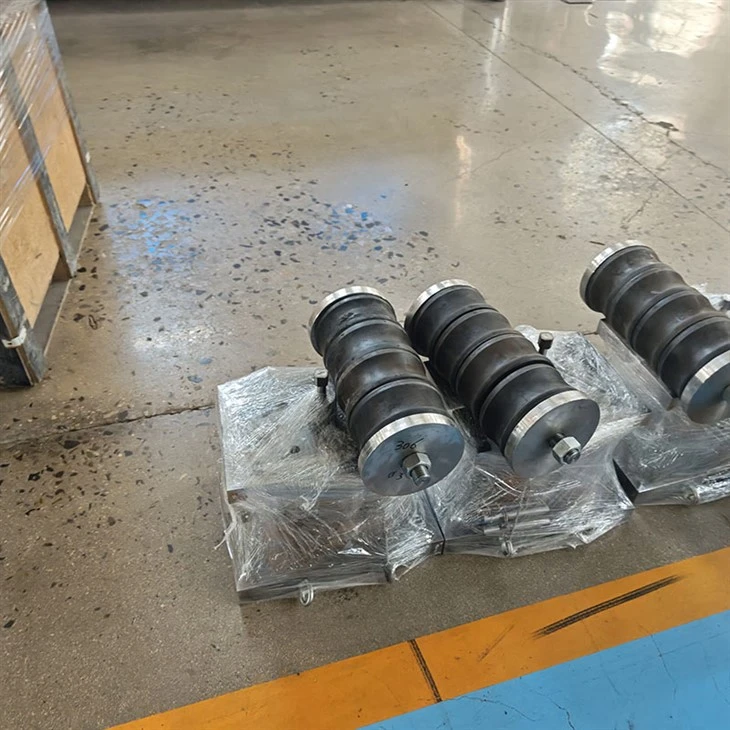
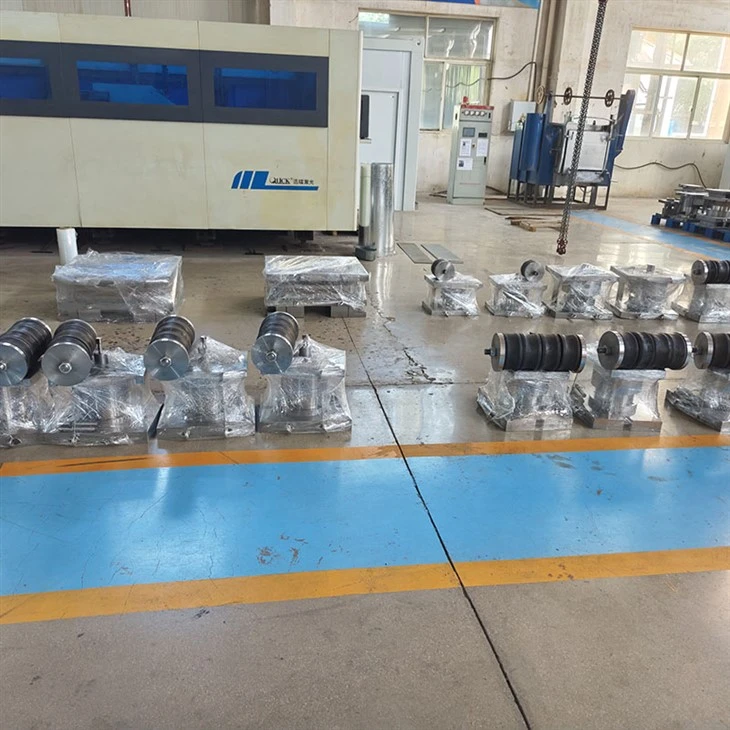
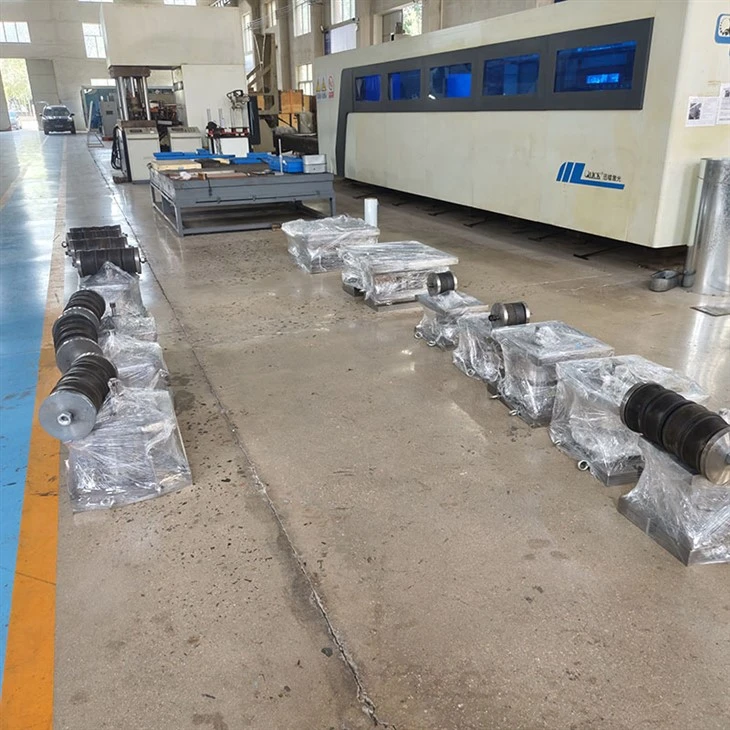
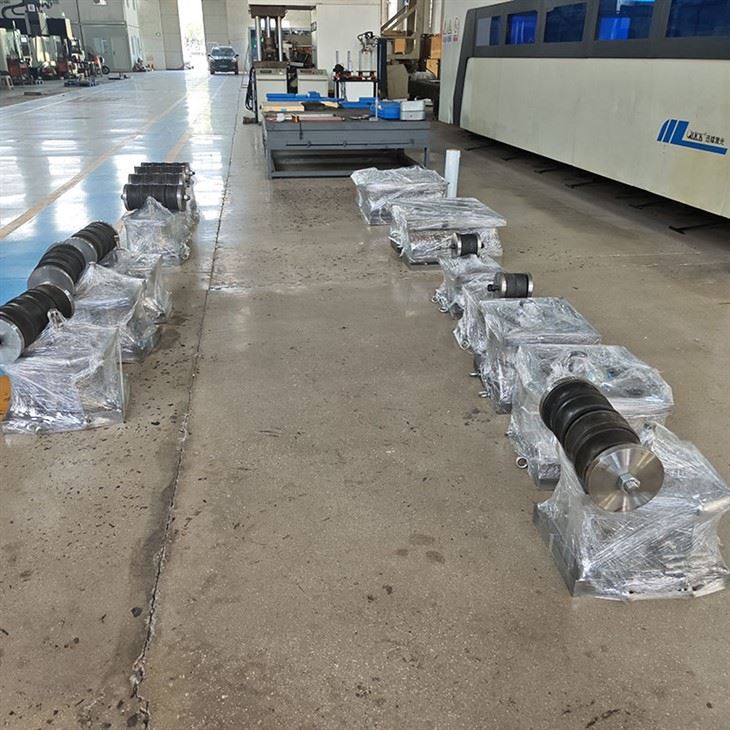
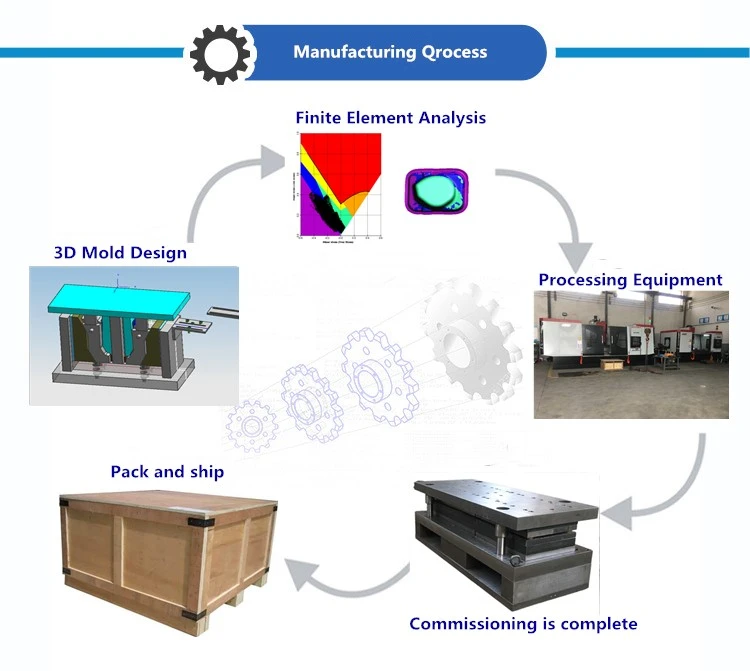
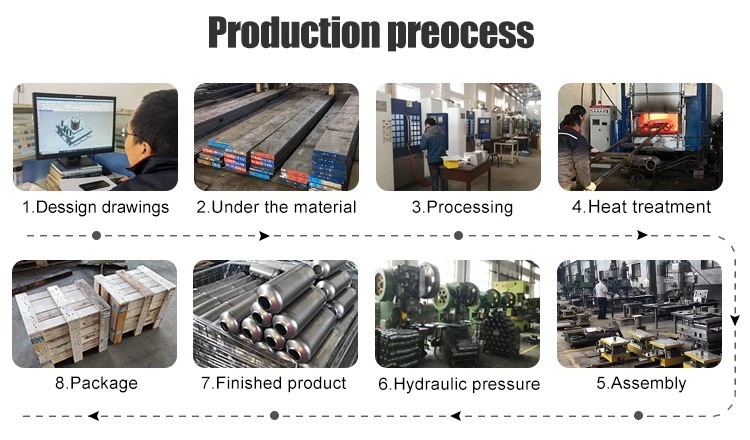
Rust-Proof Export Seaworthy Packaging: The tool is coated with specialized anti-corrosion grease, vacuum-wrapped in heavy-duty barrier film, and securely bolted inside steel-reinforced, ISPM-15 compliant wooden boxes. Included in the package are complete 3D models, hydraulic/pneumatic schematics, and a dedicated spare parts kit containing extra punches, springs, and guide pins.


Hot Tags: high-yield metal blanking die with optimized material nesting layout, China high-yield metal blanking die with optimized material nesting layout manufacturers, suppliers, factory


