


1. Eliminating Slug Pulling to Ensure Flawless Shearing Surfaces
In high-speed blanking and piercing operations, "slug pulling"-where scrap metal stick to the punch tip and rises back onto the die surface-is a leading cause of damaged parts and catastrophic tool failures. At the same time, maintaining a clean shear-to-fracture ratio on the pierced hole wall is critical for subsequent threading or assembly.
Our custom-engineered Punching Die solutions redefine blanking precision. By combining optimized cutting clearance calculations, active vacuum-assisted scrap ejection, and ultra-tough powder metallurgy tool steels, we deliver punching systems that run continuously with zero slug-pulling issues and perfectly straight, burr-free sheared edges.
2. Punching Clearance, Shearing Band & Material Hardness Matrix
| Piercing Feature | Soft Ductile Sheet Punching | High-Tensile Hard Alloy Shearing |
| Common Sheet Material | Brass, Copper, Soft Aluminum, SPCC | Spring Steel, Stainless SUS301, Silicon Steel |
| Target Cutting Clearance | 5% to 8% of sheet thickness (t) | 10% to 15% of sheet thickness (t) |
| Typical Shear Band Ratio | 35% to 50% (High gloss sheared zone) | 20% to 30% (Dominated by fracture zone) |
| Punch Steel Grade | SKD11 / DC53 (HRC 58-60) | PM Steel (ASP-23/ASP-60), Tungsten Carbide |
| Anti-Slug Mechanism | Mechanical ejector pins inside punch | Slug-hugger pocket grooves inside die bush |
| Finished Punch Roughness | Ra 0.2 microns (Precision ground) | Ra 0.05 microns (Mirror-lapped carbide) |
| Max Stroke Speed Limit | Up to 150 Strokes Per Minute (SPM) | Up to 600 Strokes Per Minute (SPM) |
3. Core Technologies to Prevent Slug Pulling and Punch Chipping
Aerodynamic Slug-Hugger Geometry: To break the oil-film vacuum that causes scrap to stick to the punch face, we utilize specialized "slug-hugger" laser-profiled grooves inside our die button openings. These micro-structures squeeze the scrap during the downstroke, causing it to lock inside the die bush rather than rising with the punch.
Sub-Micron Co-axial Grinding: Out-of-round punches wear unevenly, leading to premature chipping. We grind our punching inserts using high-precision co-axial grinding setups, maintaining concentricity between the punch shank and working tip to within 0.002 mm to prevent uneven friction.
Active Nitrogen Stripping Dynamics: During high-speed continuous punching, standard coil springs can fatigue, failing to strip the sheet metal fast enough. We design our punching tools with modular nitrogen stripper systems that apply balanced, instantaneous hold-down force, stabilizing the strip during fast stroke cycles.
Thermal Diffusion (TD) Tooling Coatings: For processing thick or abrasive materials, we apply Thermal Diffusion (TD) surface coatings. This forms an extremely hard vanadium carbide protective layer that resists adhesive wear, lowering friction and extending punch life up to ten times.
4. Technical FAQ for Tooling and Maintenance Engineers
Q1: How do you calculate the optimal cutting clearance for our specific sheet thickness?
A: We determine the exact punch-to-die clearance based on your material's tensile strength, elongation properties, and thickness. For example, ductile materials (like soft brass) require a tight clearance of 5% to 8% of sheet thickness to maximize the sheared band, while high-strength steels require a wider clearance of 12% to 15% to prevent excessive punching load and punch wear.
Q2: What is your solution for punch snapping when piercing very small holes in thick plate?
A: Punching holes with a diameter smaller than the sheet thickness ($d < t$) puts extreme compressive stress on the punch tip. We resolve this by using premium cobalt-rich powder metallurgy steels (like ASP-60) or micro-grain tungsten carbide, combined with specialized guided punch-support sleeves that prevent the punch from buckling under heavy load.
Q3: How do you address the overheating issue of high-frequency punching dies?
A: At running speeds over 300 SPM, high friction generates intense thermal energy. We integrate micro-clearance self-lubricating bronze guiding assemblies and apply high-heat resistant TiAlN coatings on the punches. We can also integrate high-velocity mist lubrication ports directly inside the stripper plate.
5. Multi-Gate Metrology Inspections & Seaworthy Crate Shipments
Every punching die must clear our comprehensive testing protocols before being authorized for shipment:
Light-Gap Clearance Inspection: We utilize specialized high-magnification optical projection systems to verify that the cutting clearance is perfectly uniform around the entire punch perimeter to within 0.002 mm.
Continuous 1000-Punch Trial Run: We test the die on our high-speed presses to verify scrap evacuation stability, ensuring zero instances of slug pulling or scrap build-up.
CMM Part Geometry Audit: Pierced trial samples are measured on a coordinate measuring machine (CMM) to confirm that hole position accuracy, roundness, and burr height meet your strict target specifications.
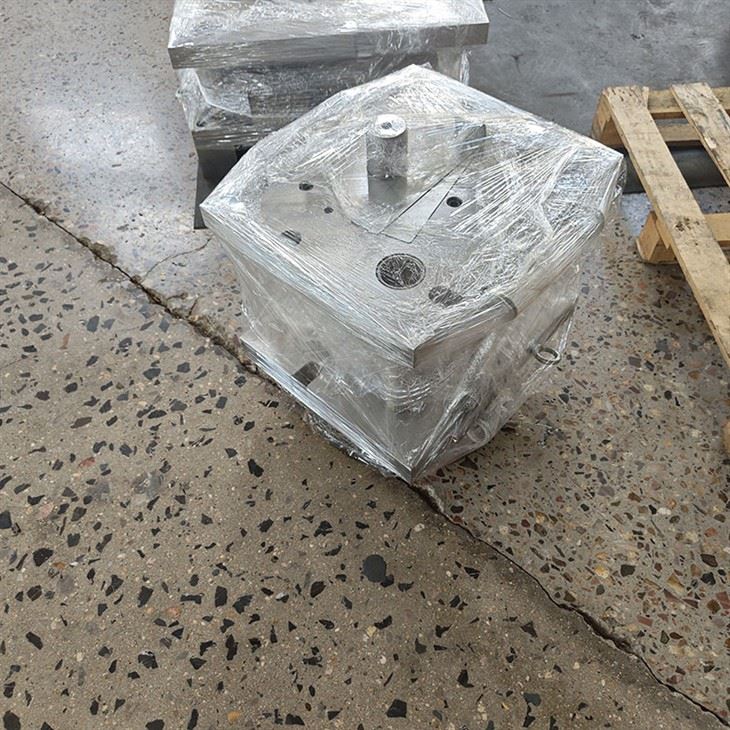
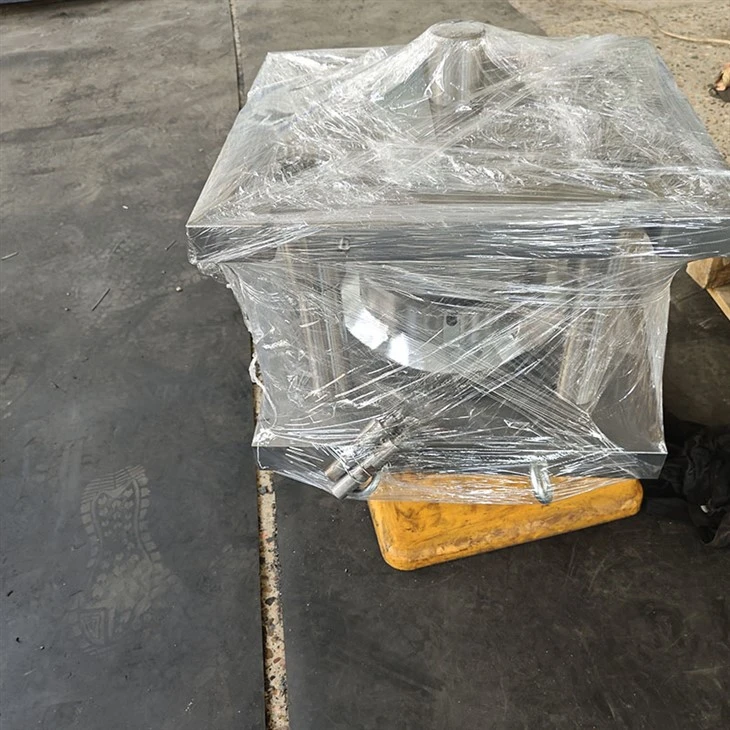
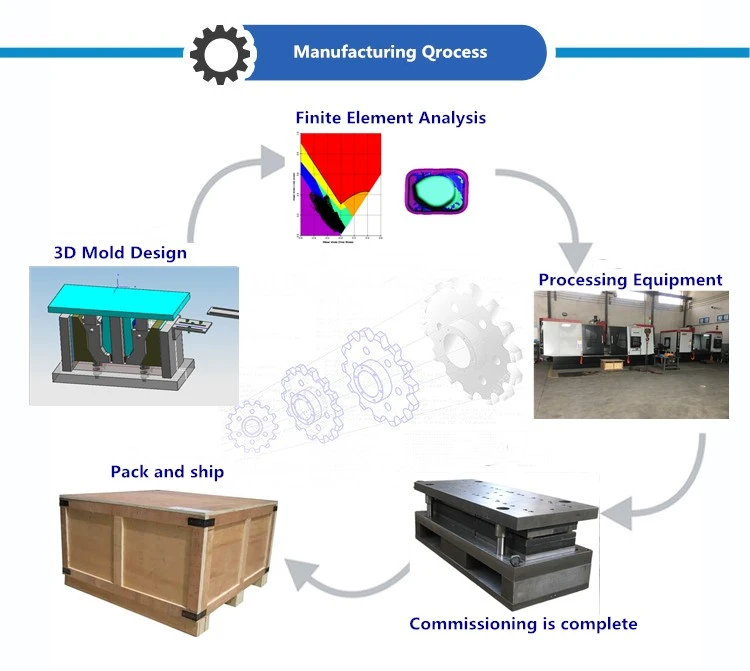
Moisture-Proof Vacuum Packing: The tooling is treated with heavy anti-corrosion oils, vacuum-sealed in thick plastic barrier bags, and securely bolted inside an ISPM-15 compliant wooden crate. The shipment includes full 3D assembly models, clearance data sheets, and a critical spare parts package consisting of replacement punches, die bushes, and stripper springs.




Hot Tags: high-speed punching die with active anti-slug pulling technology, China high-speed punching die with active anti-slug pulling technology manufacturers, suppliers, factory, Blanking mold, Cold Stamping Die, Deep Drawing Stamping Die, Kitchenware stamping die, metal parts manufacturer, notching die


