

1. Eliminating Cracks and Wrinkles through Scientific Metal Flow Control
During severe deep drawing operations, sheet metal undergoes extreme compressive and tensile stresses simultaneously. If the blank holder force is too low, the material buckles, causing ugly wrinkles; if the force is too high, the sheet pinches and tears at the punch nose.
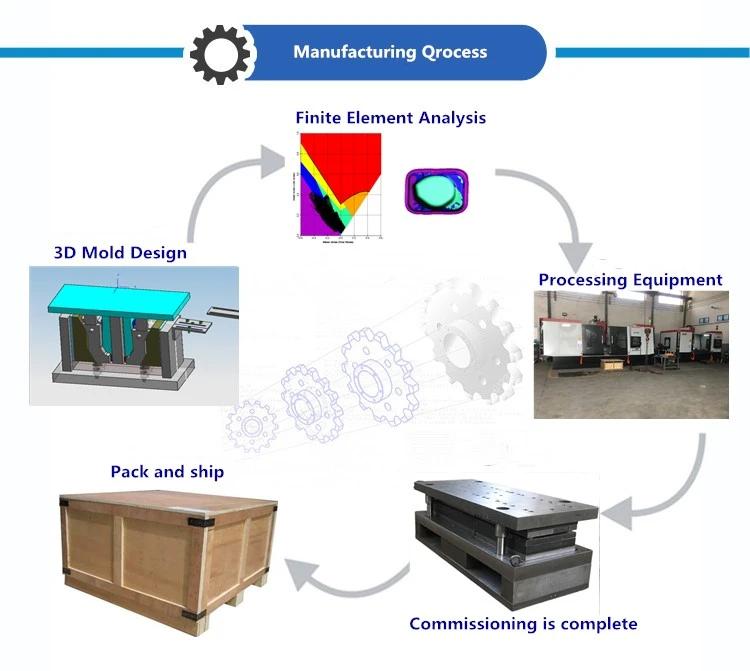
Our custom Draw Die solutions are engineered using advanced dynamic metal-flow simulation to balance these opposing forces. By precisely tailoring blank-holder pressures, micro-polishing draw bead profiles, and applying extreme wear-resistant surface treatments, we ensure smooth, uniform plastic deformation. This allows you to achieve maximum draw depths in a single press stroke, eliminating split parts and reducing raw material waste.
2. Draw Stage Parameters, LDR & Friction Control Matrix
| Engineering Variable | Medium Draw (Appliance Shells) | Extra-Deep Draw (Auto/Industrial) |
| Target Material Type | Aluminum 1050/5052, Cold Rolled Steel | SUS304, High-Strength Steel (DP590/780) |
| Limiting Draw Ratio (LDR) | 1.6 to 2.0 (Standard cylindrical cups) | 2.0 to 2.4 (Severe multi-pass drawing) |
| Die Radius Surface Treatment | Mirror polish with high-pressure lubes | Thermal Diffusion (TD) / Vanadium Carbide |
| Blank Holding System | Standard mechanical / PU spring buffers | Self-adjusting multi-cylinder nitrogen manifolds |
| Draw Ring Tool Steel | D2 / DC53 (Vacuum hardened HRC 58-60) | Sleipner / Caldie / Ampco Bronze Inserts |
| Max Draw Depth (Single Pass) | Up to 80 mm (Depending on thickness) | Up to 250 mm (With progressive steps) |
| Material Thinning Tolerance | Maintained within < 15% of raw thickness | Maintained within < 10% (High-uniformity) |
3. State-of-the-Art Technologies for Flawless Deep Drawing
TD-Coated Active Draw Rings: To prevent galling, metal pick-up, and surface scratching (especially on stainless steel SUS304), we apply Thermal Diffusion (TD) treatment to our active draw inserts. This creates a vanadium carbide barrier (hardness HV 3000+) that reduces friction and eliminates the need for expensive high-viscosity stamping oils.
Variable Nitrogen Blank-Holder Manifolds: Deep parts require different holding forces at different stages of the press stroke. We build customized nitrogen manifold systems into our lower die bases. This design delivers a high, balanced clamping force at the initial touch and dynamically manages pressure as the metal flows into the cavity.
Optically Ground Draw Beads: For asymmetrical or non-cylindrical shapes, material flow must be restricted in certain zones and accelerated in others. We utilize CNC-ground, optically-polished draw beads to steer the sheet metal smoothly, ensuring uniform strain distribution and preventing local failure.
Ampco Bronze Insert Integration: For critical drawing zones where absolute surface perfection is required, we integrate specialized Ampco bronze alloy inserts. The natural self-lubricating properties of this premium material completely prevent scuffing and scratch marks on visible panel surfaces.
4. Technical FAQ for Stamping Operations and Quality Managers
Q1: How do you determine the optimal number of drawing steps (stations) for our deep part?
A: We use state-of-the-art metal forming simulation software (AutoForm/DYNAFORM) during the design phase. By analyzing the material's yield strength and strain hardening exponent, we calculate the Limiting Draw Ratio (LDR) to determine if a single-step draw is sufficient or if progressive redrawing stations are required to prevent splitting.
Q2: Can we run pre-painted or polished aluminum sheet metal through your draw dies?
A: Yes. For pre-finished or highly reflective metals, we mirror-polish all working radii to Ra < 0.05 microns and insert self-lubricating bronze components or specialized polymer pads. This ensures the finished part exits the tool with its protective film or decorative coating completely intact.
Q3: How do you prevent vacuum locking when ejecting deep cylindrical parts?
A: Deep cylindrical drawing creates a powerful internal vacuum when the punch retracts, which can deform or crush the part. We integrate positive-pressure air venting ports inside our draw punches, blowing compressed air into the cavity to release the part smoothly on the return stroke.
5. Multi-Step Quality Gates & Secure Shipping Logistics
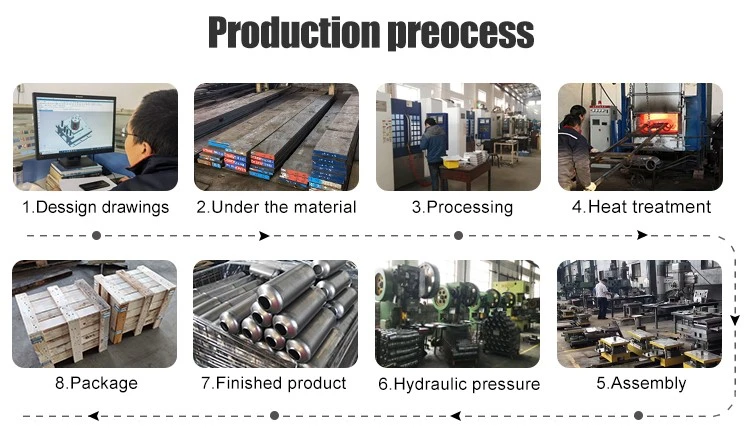
Prior to crating, every deep draw die undergoes a series of strict quality checks to guarantee instant production readiness:
AutoForm Correlation Test: We compare actual physical trial samples against the original digital simulation models using 3D blue-light scanners to verify thickness distribution and springback accuracy.
Dynamic 1000-Stroke continuous run: We perform run-in testing on our heavy-tonnage hydraulic trial presses to verify nitrogen cushion stability and check for any signs of metal scuffing.
Blank Holder Force Mapping: We measure the pressure distribution across the binder ring to ensure uniform metal flow control and zero pressure drops during high-speed runs.
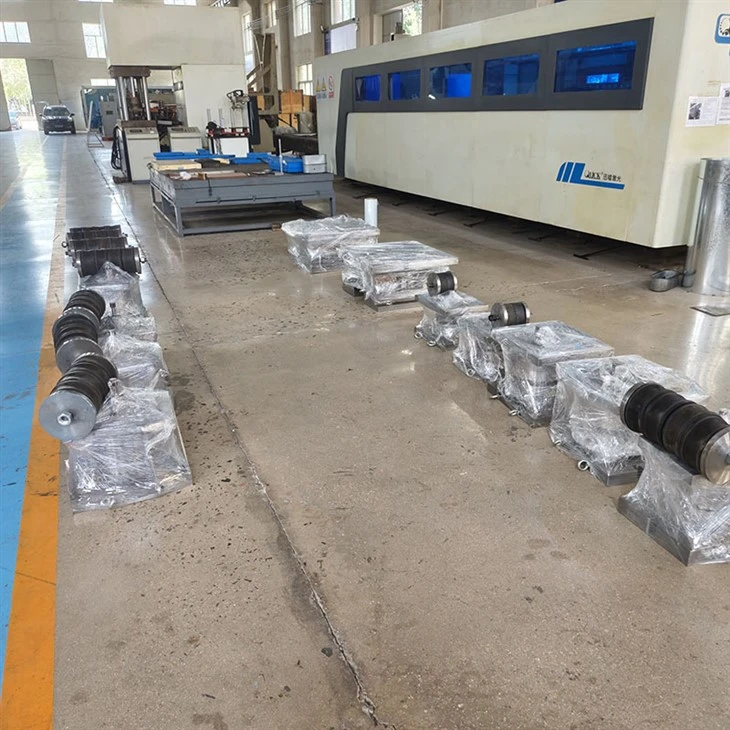
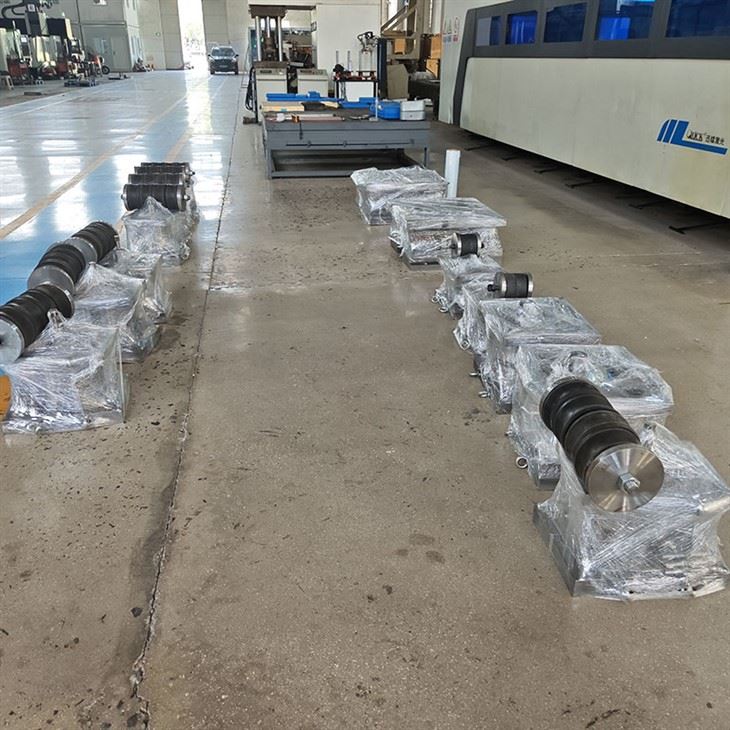
Rust-Proof Export Wrapping: The tool is coated with high-viscosity corrosion-resistant oil, wrapped in thick vacuum-barrier plastic, and securely bolted inside steel-braced, fumigation-free wooden crates. The shipment includes full 3D assembly models, hydraulic schematics, spare high-wear inserts, and alternative draw-bead shims.


Hot Tags: high performance deep draw die for precision sheet metal forming, China high performance deep draw die for precision sheet metal forming manufacturers, suppliers, factory, Compound Die Stamping, Kitchenware stamping die, Metal parts mould, notching die, Precision Deep Drawing Mold, Progressive Die Stamping


