


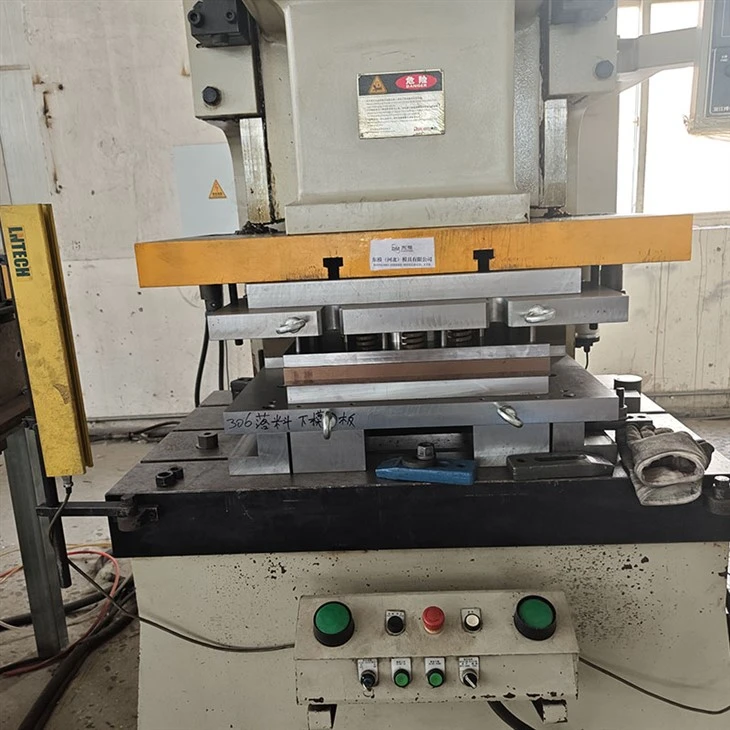
1. Drive Unmatched OEE with Ultra-Precise Continuous Forming
In high-frequency stamping lines, single-station processing is a drag on overall equipment effectiveness (OEE). The modern factory floor requires tooling that can feed coil stock continuously, complete cutting, bending, drawing, and coining in rapid sequence, and eject flawless components at speeds up to 400 strokes per minute.
Our engineered Progressive Stamping Tool is designed for extreme continuous cycling under violent dynamic shock forces. We eliminate the minute guide alignment drifts that cause rapid tool wear and part flashing. By optimizing carrier strip flexibility, establishing strict progression pitch control, and utilizing active vibration dampening, we deliver high-yield tooling systems that turn your raw metal coils into finished, inspection-ready components in seconds.
2. High-Speed Tooling Configuration & Stroke Rate Compatibility
| Technical Attribute | Precision Micro-Stamping Tool | Heavy-Duty Structural Tooling |
| Compatible Material | Brass, phosphor bronze, beryllium copper | Stainless steel, hot rolled steel, high strength alloys |
| Material Thickness | 0.05 mm to 0.8 mm | 1.0 mm to 5.0 mm |
| Average Running Speed | 150 to 450 Strokes Per Minute (SPM) | 40 to 120 Strokes Per Minute (SPM) |
| Pitch Precision Control | Within +/- 0.002 mm across full strip | Within +/- 0.01 mm across full strip |
| Active Punch Alloys | ASP-23, ASP-60, Tungsten Carbide | DC53, Caldie, High-Speed Steel M2 |
| Pilot/Guiding Standard | Inner-strip precision pilot pins | Heavy-duty ball-bearing guiding posts |
| Ejection Mechanism | Air-assisted high-speed blow off | Nitrogen-spring actuated stripper plates |
3. Engineering Innovations for Stable, High-Velocity Progression
Finite Pitch Drift Compensation: At speeds exceeding 200 SPM, raw material strip expansion and feeding variations can cause cumulative pitch drift. We design progressive strips with micro-adjusting pilots at each station, continuously centering the stock and ensuring dimensional accuracy to within +/- 0.002 mm.
Segmented High-Speed Stripper Systems: Traditional solid stripper plates cause high-frequency vibration echo that dislodges delicate parts. We utilize segmented, lightweight strippers backed by synchronized light-load nitrogen cells, guaranteeing uniform hold-down force with zero metal bouncing.
Active Vibration Absorption Pads: Extreme speeds create dynamic shockwaves that loosen inserts and guide bushings. Our high-speed tool shoes are constructed with stress-relieved steel blocks and integrated vibration-dampening pads that isolate and absorb peak kinetic forces.
Integrated Misfeed Sensors: To safeguard your high-speed tooling from double-hits or partial feed errors, we build high-speed optical and contact misfeed sensor networks directly into the entry and exit stations of the tool.
4. Technical FAQ for Stamping Engineering Managers
Q1: How do you address springback in high-strength materials on a progressive line?
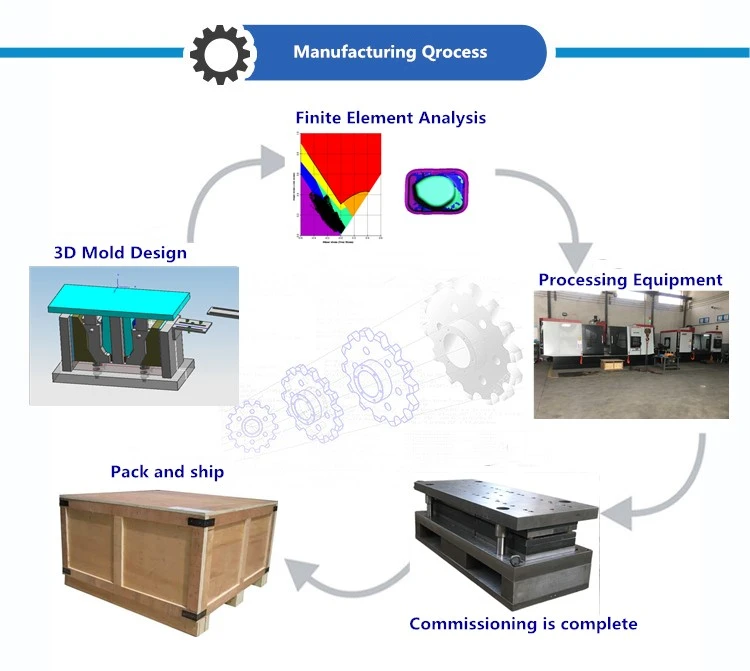
A: We execute full finite element simulations (FEA) to calculate stress and strain profiles during the design phase. We then build progressive over-bend stations, coining inserts, and stress-relief strikes into the layout to relax the material grain structure, ensuring the part exits the tool at your exact target angle.
Q2: Can this progressive tooling handle pre-plated metal coils without damaging the finish?
A: Yes. For pre-plated materials (such as gold, silver, tin, or pre-painted sheet), our active forming inserts are diamond-like carbon (DLC) coated and mirror-polished (Ra < 0.1 microns). This eliminates sliding friction and prevents any scratching or peeling of the plating layers.
Q3: What are your maintenance intervals for high-speed continuous runs?
A: For standard DC53 tool steels, we recommend sharpening (regrinding) every 300,000 to 500,000 strokes. For ultra-high-volume tools utilizing premium Tungsten Carbide inserts in the shearing zones, maintenance intervals can easily exceed 2,000,000 to 3,000,000 strokes.
5. Micron-Grade Testing & Export Delivery Protocols
Every progressive stamping tool undergoes rigorous functional validation before receiving shipping approval:
Continuous 1000-Stroke Strip Run: The tool is mounted in our trial presses and run under actual coil-feeding conditions at target production speeds to verify strip progression and part ejection.
First-and-Last Piece Comparative Inspection: Samples from the start and end of the trial run are mapped against each other on a coordinate measuring machine (CMM) to confirm zero tool drift.
Dynamic Sensor Functionality Check: We deliberately simulate misfeeds and strip blockages during trial runs to verify that our integrated sensors shut down the press line instantly.
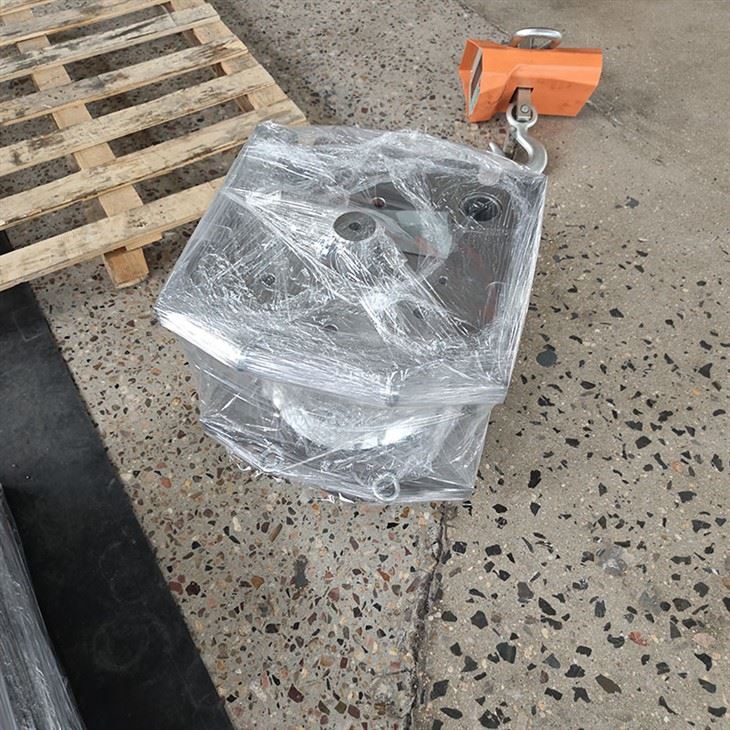
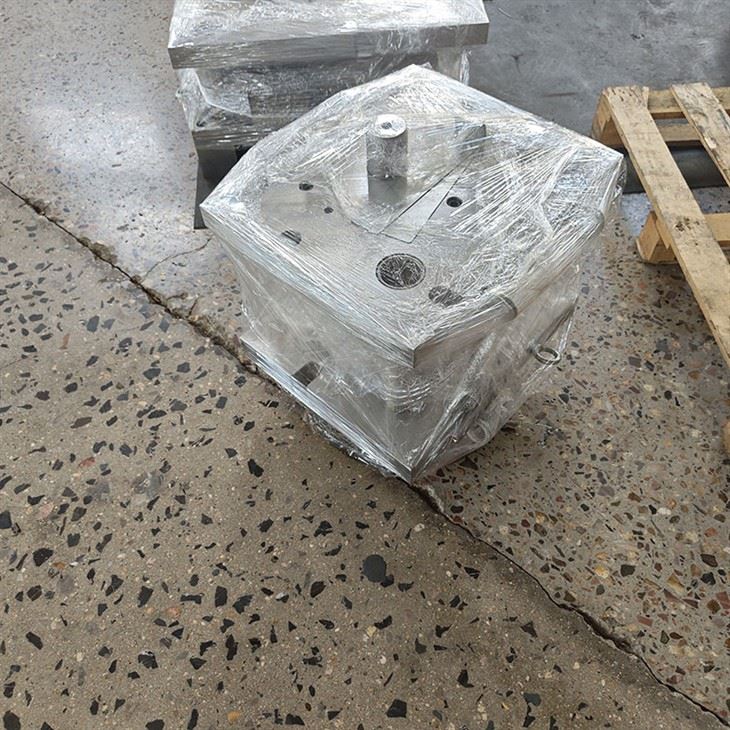
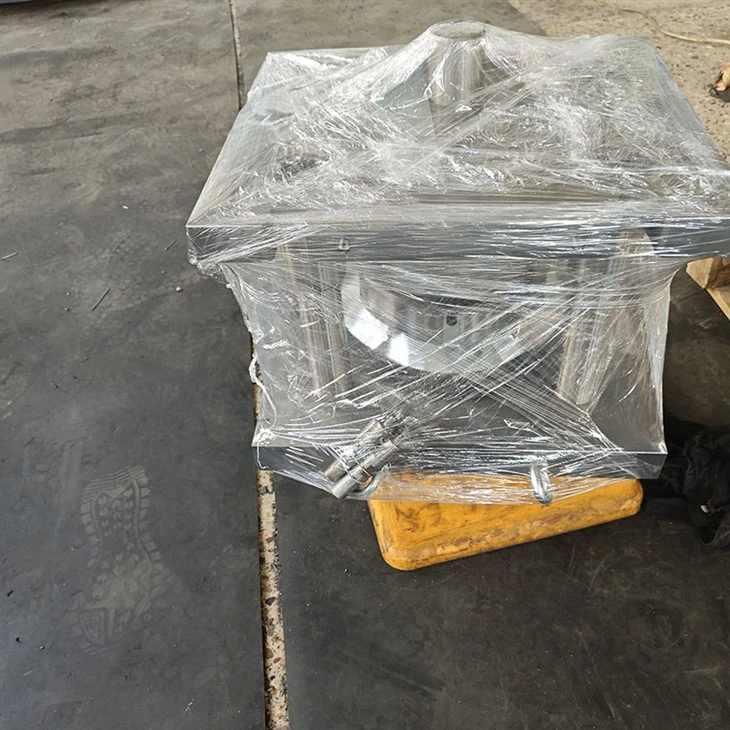
Rust-Proof Seaworthy Wrapping: The tool is sprayed with heavy anti-corrosion oils, wrapped in vacuum-barrier foil, and secured inside steel-braced, fumigation-free wooden boxes along with full 3D assembly models, strip layouts, and a critical spare parts package (replacement punches, pilots, and springs).
Hot Tags: high-speed progressive stamping tool for micro precision metal components, China high-speed progressive stamping tool for micro precision metal components manufacturers, suppliers, factory, Compound Die Stamping, Kitchenware stamping die, Metal parts mould, Motor wind hood mould, Piercing Die, Punch automatic mould


